


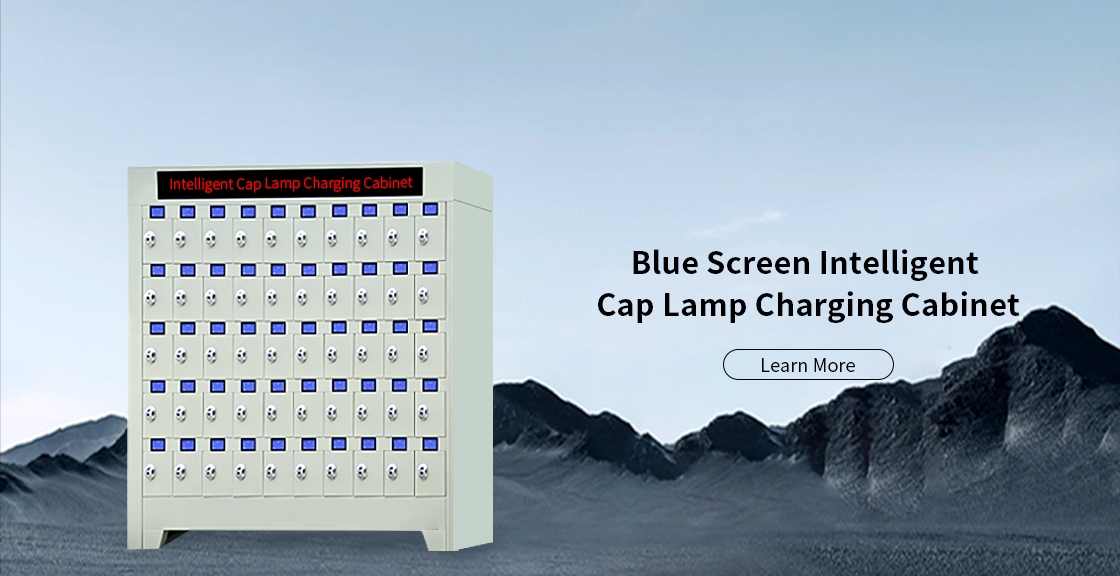










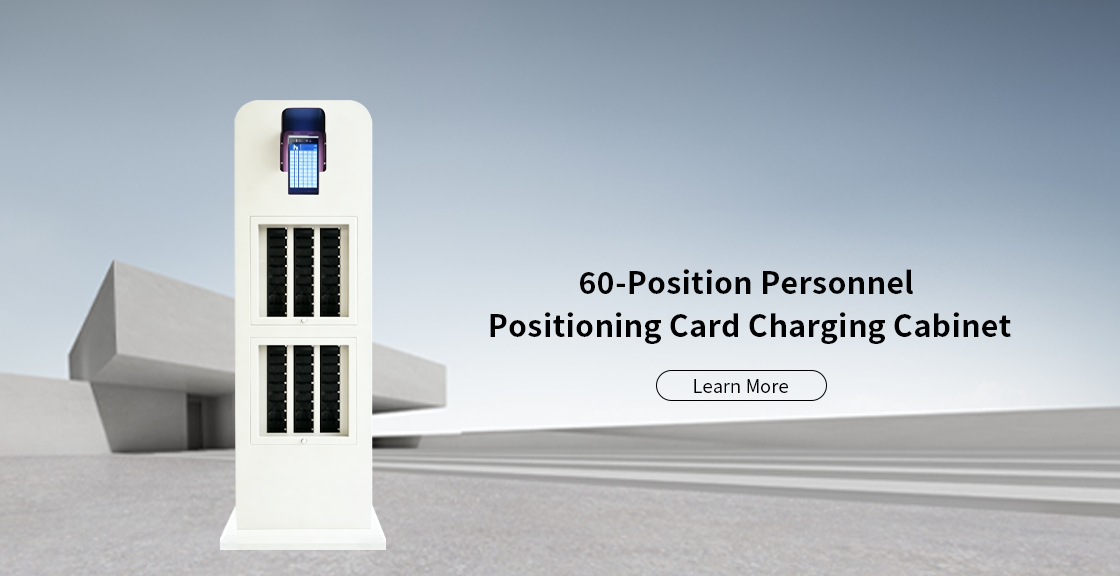

When it comes to cap lamp charging in mining operations, choosing between traditional charging racks and the Intelligent Cap Lamp Charging Cabinet is a critical decision—one that impacts safety, efficiency, and operational costs. For overseas mining clients, understanding the key differences between these two solutions is essential to making an informed choice that will benefit their operations in the long run. Traditional charging racks have been the industry standard for decades, but as mining technology advances, their limitations have become increasingly obvious. The Intelligent Cap Lamp Charging Cabinet, with its advanced features and capabilities, offers a clear upgrade over traditional systems. In this article, we will compare the two solutions across key categories to help overseas clients understand why replacing their old charging racks with the intelligent cabinet is the best decision.
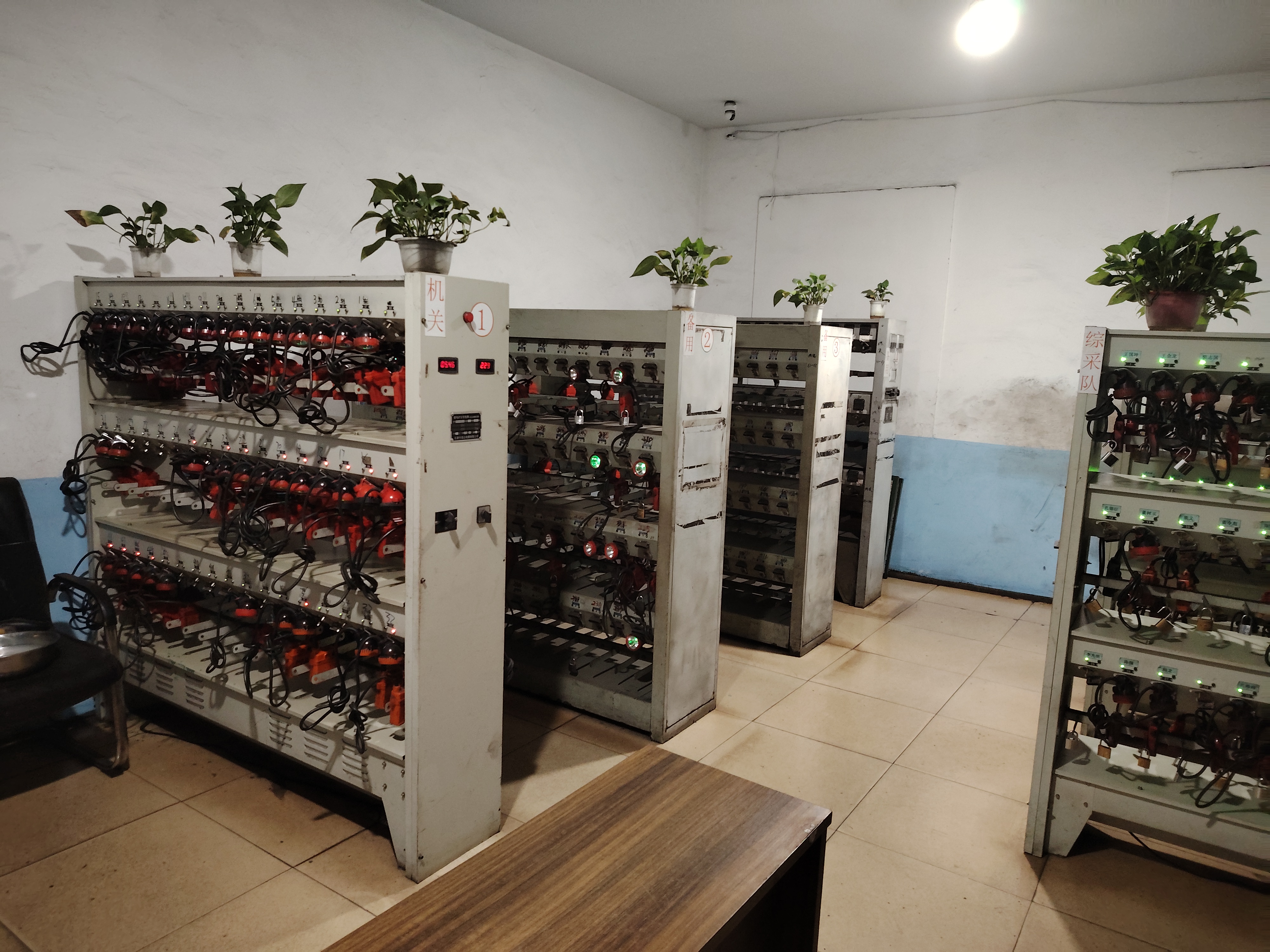
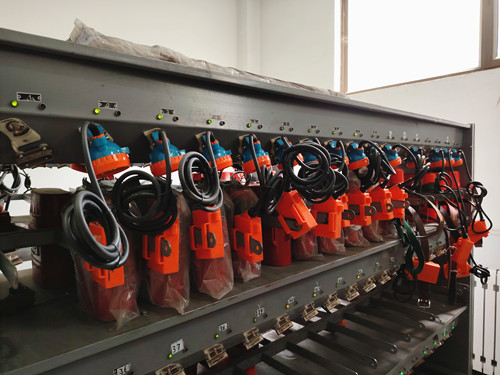
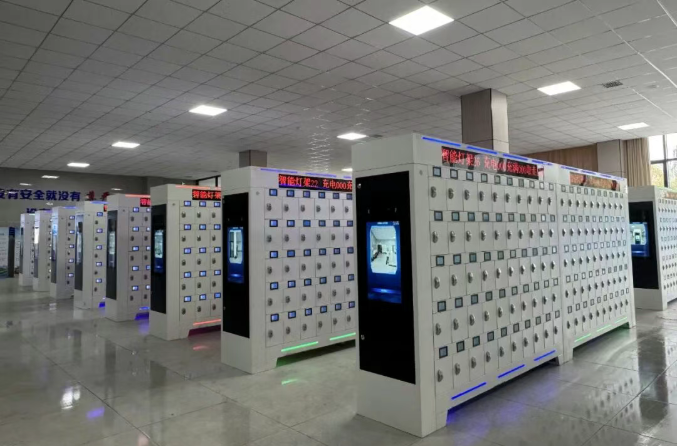
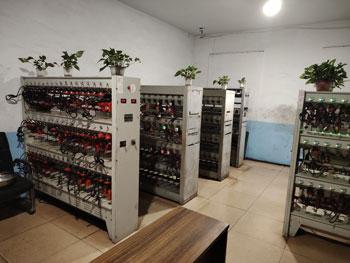
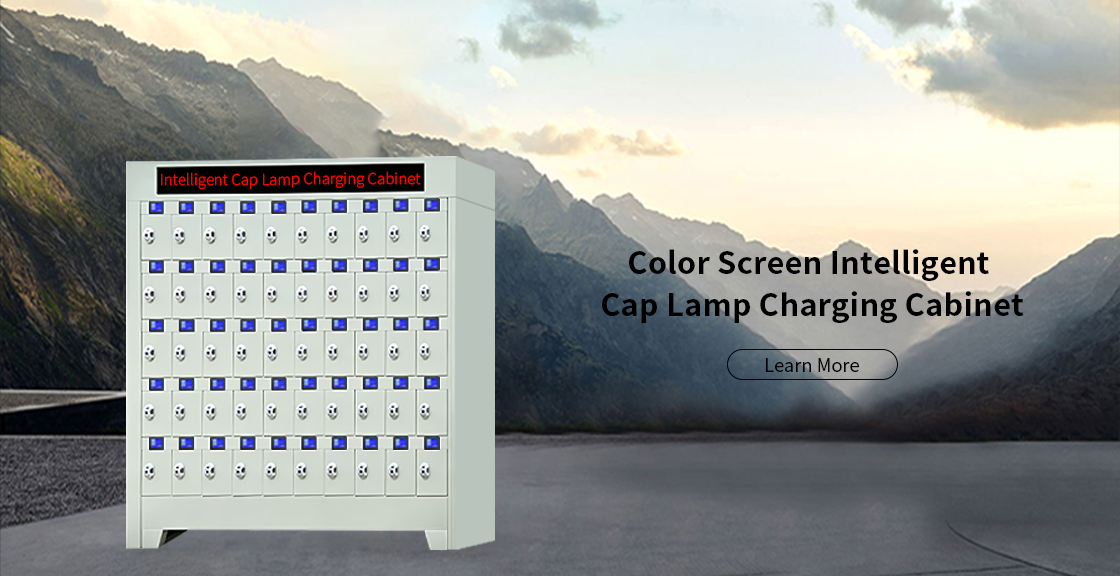
Safety is the most important factor in any mining operation, and the gap between traditional charging racks and the Intelligent Cap Lamp Charging Cabinet is significant. Traditional charging racks lack advanced safety features, making them prone to accidents. Most traditional systems use a fixed charging current, which can lead to overcharging if the battery is left plugged in after it is fully charged. Overcharging can cause batteries to overheat, leak, or explode, creating a serious fire hazard. Additionally, traditional racks often have an open design, which exposes the charging ports to dust, moisture, and physical damage—common issues in underground mines. This can lead to short circuits and electrical failures, further increasing the risk of accidents. In contrast, the Intelligent Cap Lamp Charging Cabinet is designed with safety as a top priority. It features a sophisticated Battery Management System (BMS) that automatically cuts off the charging current once the battery is fully charged, preventing overcharging. It also has multiple safety protection mechanisms, including over-temperature, over-voltage, over-current, and leakage protection. The cabinet’s closed design protects the charging ports from dust and moisture, reducing the risk of short circuits. Real-time sensors monitor the charging process, and an audible and visual alarm is triggered if any abnormal conditions are detected, ensuring that potential hazards are addressed immediately.
Efficiency is another key area where the Intelligent Cap Lamp Charging Cabinet outperforms traditional racks. Traditional charging racks are inefficient in several ways. First, they use a one-size-fits-all charging mode, meaning they charge every battery at the same rate, regardless of its remaining capacity or health status. This leads to wasted electricity, as batteries that are almost fully charged are charged at the same rate as empty batteries. Second, traditional racks require manual inspection and maintenance, which is time-consuming and labor-intensive. Workers have to check each charging port, record battery status, and troubleshoot issues, which diverts valuable resources from other critical tasks. The Intelligent Cap Lamp Charging Cabinet, on the other hand, is highly efficient. Its BMS adjusts the charging rate based on the battery’s needs, ensuring fast, efficient charging while reducing electricity consumption by up to 25%. The cabinet also features self-diagnostic capabilities, allowing managers to remotely monitor its performance and identify issues before they escalate. This reduces the need for manual maintenance, saving time and labor costs.
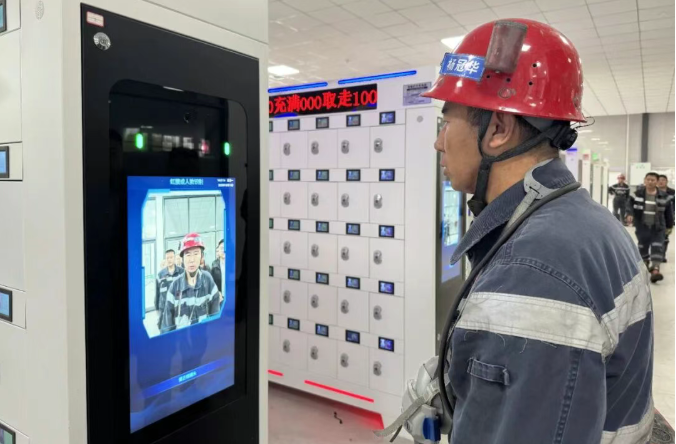
Management capabilities are another significant difference between the two solutions. Traditional charging racks lack intelligent tracking and data recording features, making it difficult to manage cap lamps effectively. Miners often have to search for their lamps among a disorganized pile, leading to delays during shift changes. There is no way to track which miner is using which lamp, making it hard to assign responsibility if a lamp is lost or damaged. Additionally, traditional racks do not record data on battery health, charging frequency, or usage patterns, so managers have no way to optimize their operations. The Intelligent Cap Lamp Charging Cabinet solves these problems with integrated RFID and IoT technology. Each cap lamp is linked to a specific miner via an RFID chip, ensuring that miners can quickly find their own lamps. The cabinet records real-time data on charging status, battery health, and miner attendance, which is stored in a centralized system. Managers can access this data remotely, allowing them to track lamp usage, identify inefficiencies, and make data-driven decisions to optimize their operations.
Cost is a critical consideration for any mining operation, and the Intelligent Cap Lamp Charging Cabinet offers significant long-term cost savings compared to traditional racks. While the initial investment in the intelligent cabinet may be higher, the savings in electricity costs, battery replacements, maintenance costs, and labor costs quickly offset the upfront expense. For example, the cabinet’s energy-efficient charging technology reduces electricity consumption by up to 25%, which can save a medium-sized mine thousands of dollars per year. The cabinet also extends the lifespan of cap lamp batteries by up to 30%, reducing the frequency of battery replacements. Additionally, the reduced need for manual maintenance and the self-diagnostic capabilities lower labor and maintenance costs. Traditional racks, on the other hand, have higher long-term costs due to inefficient charging, frequent battery replacements, and labor-intensive maintenance.