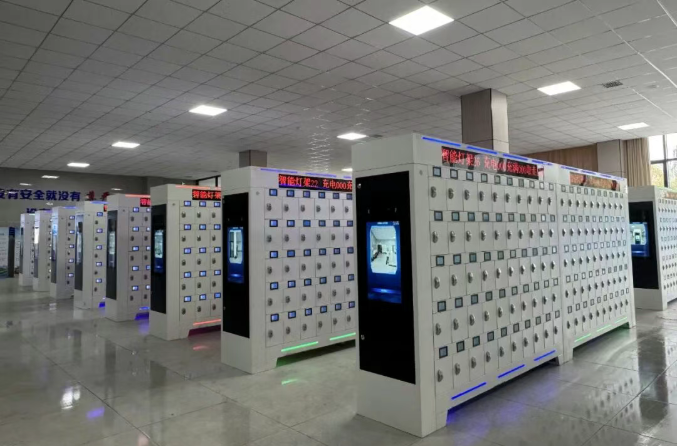



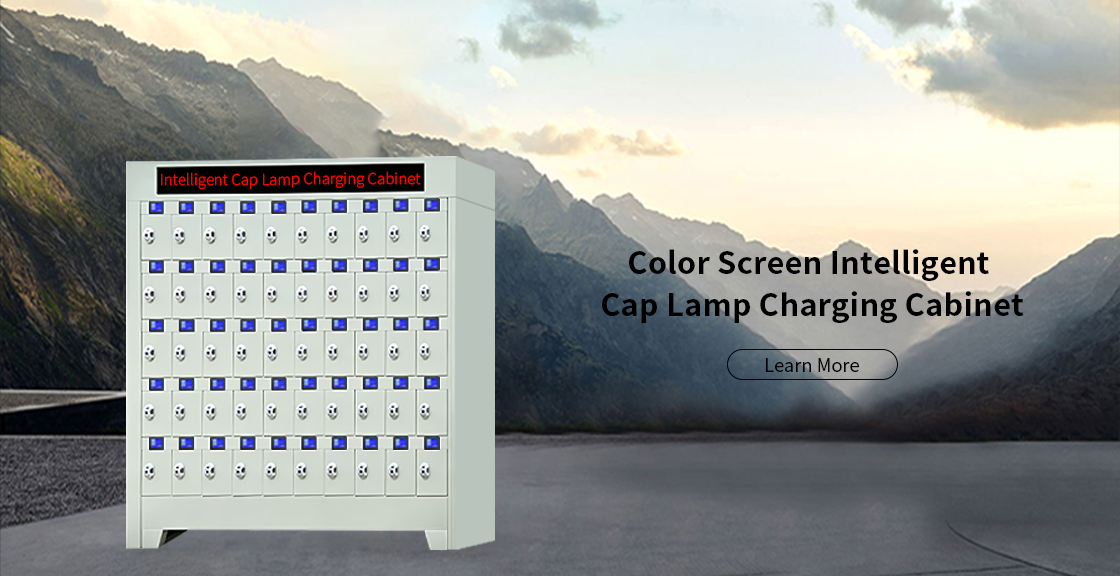
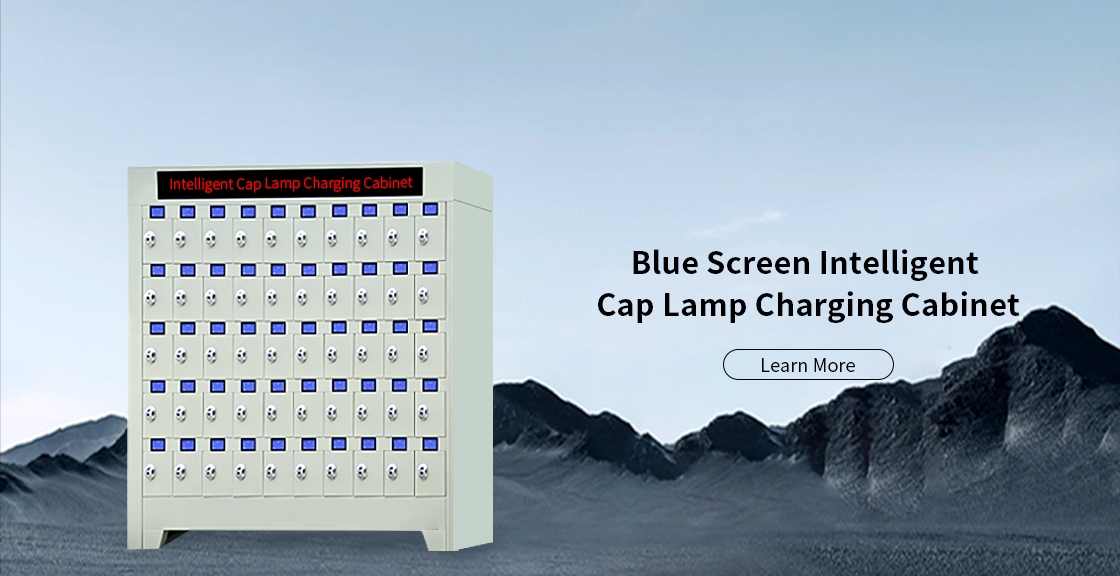











In the daily operation and maintenance of mines, mine lamps serve as the "vital lighting guarantee" for underground workers. The safety and stability of mine lamp charging equipment are directly related to the personal safety of frontline employees and the safety production order of mines. For a long time, numerous small and medium-sized mines have adopted open-type mine lamp charging racks due to their simple structure and low cost. However, with the continuous upgrading of standardized and intelligent safety production construction in the mining industry, their inherent drawbacks have become increasingly prominent. These racks have gradually become a weak link restricting mine safety development and raising operation and maintenance costs, and can no longer meet the production needs of modernized mines.
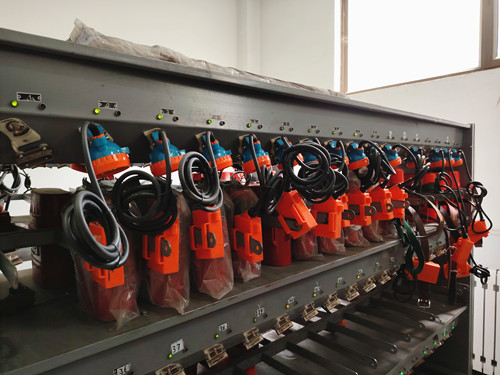
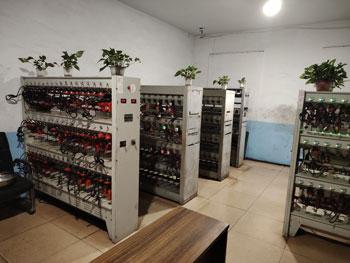
Pervasive safety hazards are the core flaw of open-type mine lamp charging racks. The mine operating environment is complex, and the ground charging workshop is also filled with coal dust and moisture. In open-type charging racks, circuits, charging interfaces and metal contacts are completely exposed without closed protection. Long-term accumulation of dust and moisture easily leads to circuit aging, insulation failure and contact short-circuit sparking, which not only causes mine lamp charging failures but also greatly increases the risk of electrical fire accidents. Meanwhile, the traditional open rack structure has no isolation protection, so workers may accidentally touch live interfaces when picking up and placing mine lamps, resulting in frequent electric shock risks. In addition, electrolyte leakage is inevitable during the use of lead-acid mine lamps. The exposed circuits and rack bodies are extremely vulnerable to corrosion by acid and alkali liquids, which not only damages equipment but also may cause skin burns to personnel, laying multiple potential safety hazards for mine safety production.
The extensive equipment design greatly increases mine operation and maintenance costs. Without independent isolated compartments, open-type charging racks hold densely hung mine lamps. Heat accumulates intensively during charging and cannot be dissipated in a timely manner. The long-term high-temperature environment accelerates the aging and attenuation of batteries, greatly shortening the service life of mine lamps and increasing equipment procurement and replacement costs. Moreover, exposed circuits, sockets and connectors are prone to failures due to bumps and dust erosion, leading to a high equipment failure rate. In addition, scattered fault points consume a lot of time and labor for inspection and maintenance. Frequent equipment overhaul not only wastes human and material resources but also affects the turnover of mine lamps and delays underground operation progress.
The extensive manual management mode results in low operation and maintenance efficiency and ambiguous responsibility division. Traditional open-type charging racks lack identity binding and data recording functions, causing frequent problems such as random access, mixing and loss of mine lamps. During peak shift-changing periods, centralized access to mine lamps by workers may easily collide with adjacent charging equipment and interrupt charging, leaving some mine lamps insufficiently charged and bringing lighting safety risks for underground operations. Furthermore, the whole process relies on manual registration and inspection, making it impossible to accurately record the charging duration, fault status and use frequency of each mine lamp. Once equipment problems or safety accidents occur, traceability and responsibility confirmation cannot be realized, leaving unavoidable loopholes in management.
As mine safety management standards become increasingly stringent, intelligent and standardized transformation has become an inevitable trend. Open-type mine lamp charging racks are exposed to multiple defects including insufficient safety protection, high operation and maintenance costs, low management efficiency and poor intelligent adaptability. They fail to comply with the latest mine safety production specifications and cannot connect with digital mine systems such as personnel attendance, intelligent management and equipment monitoring platforms.