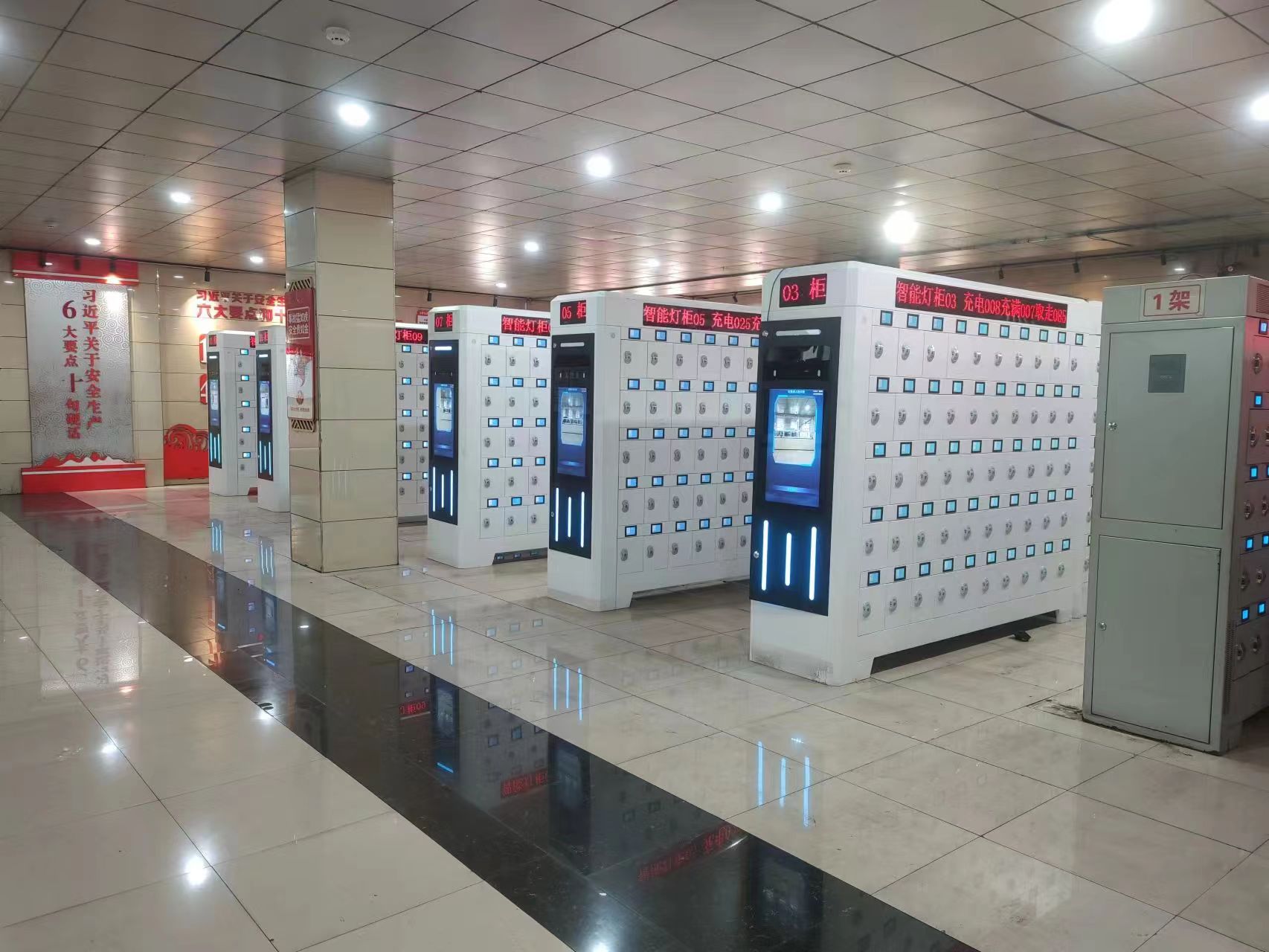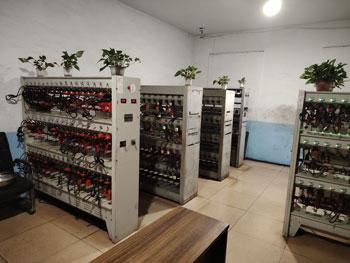


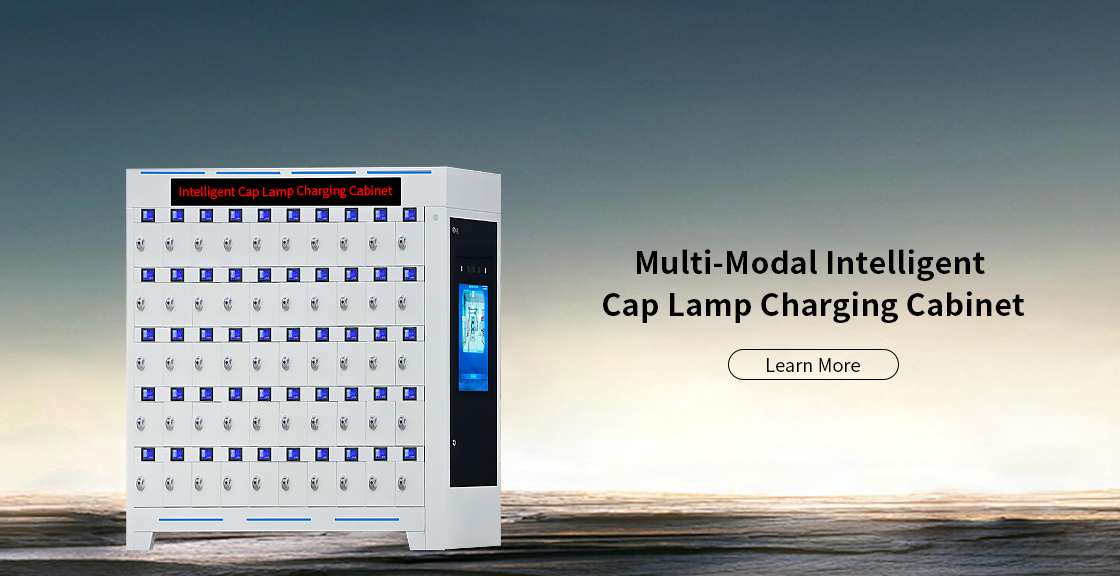
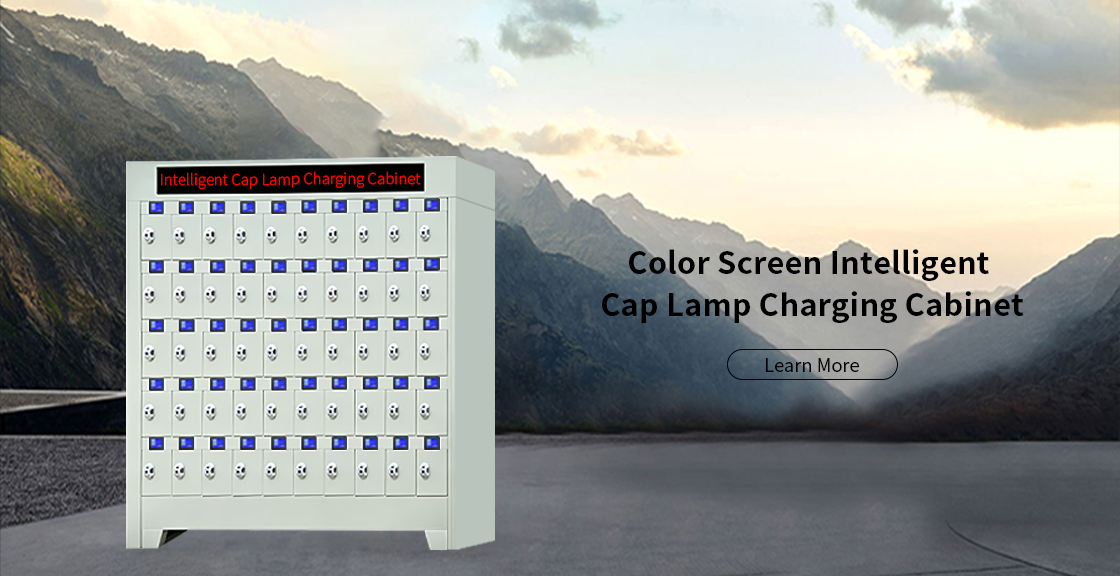
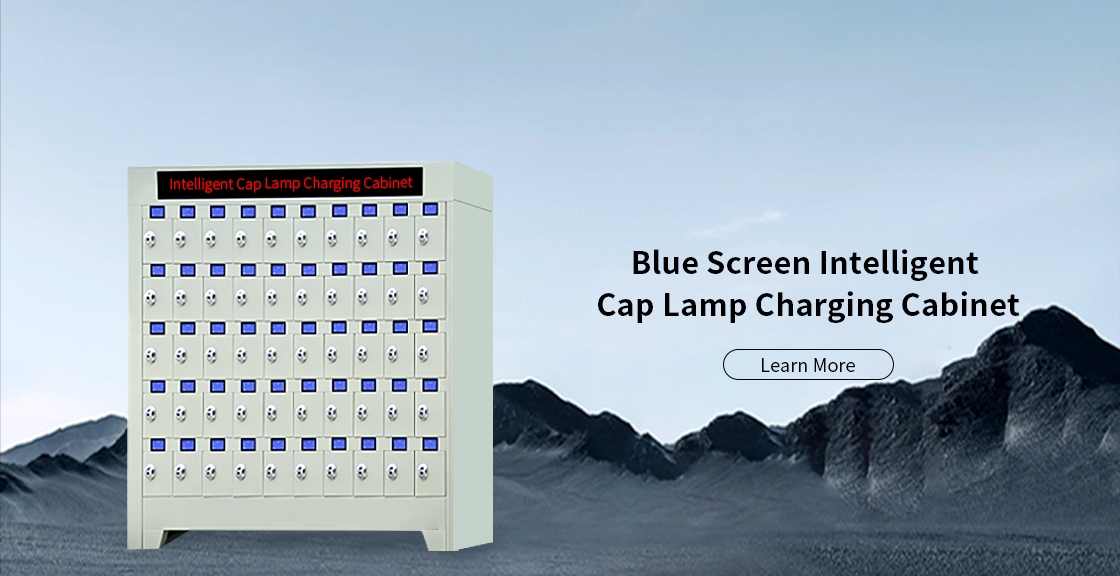
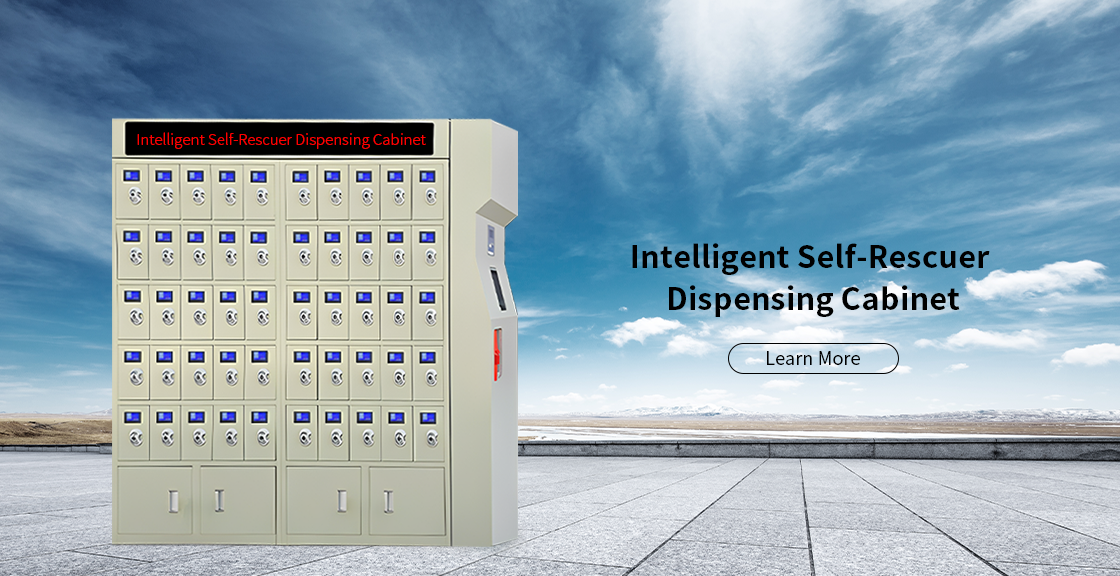
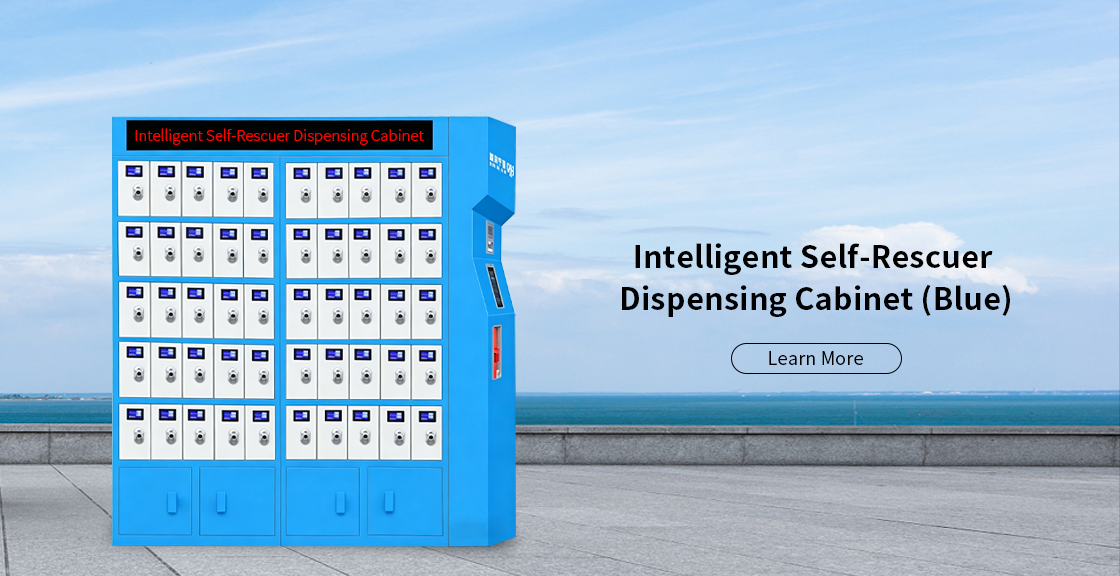
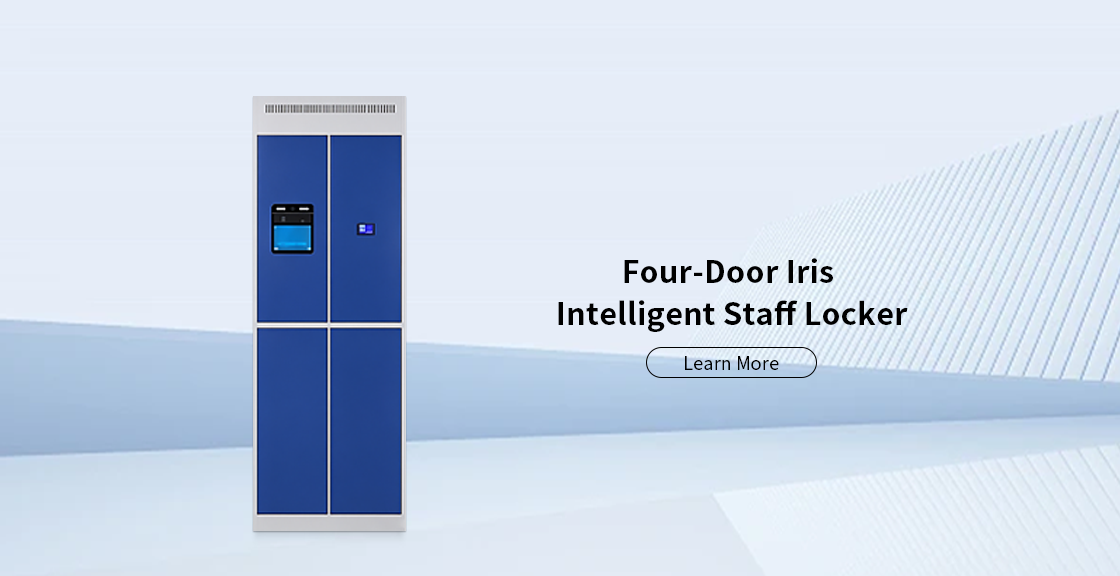
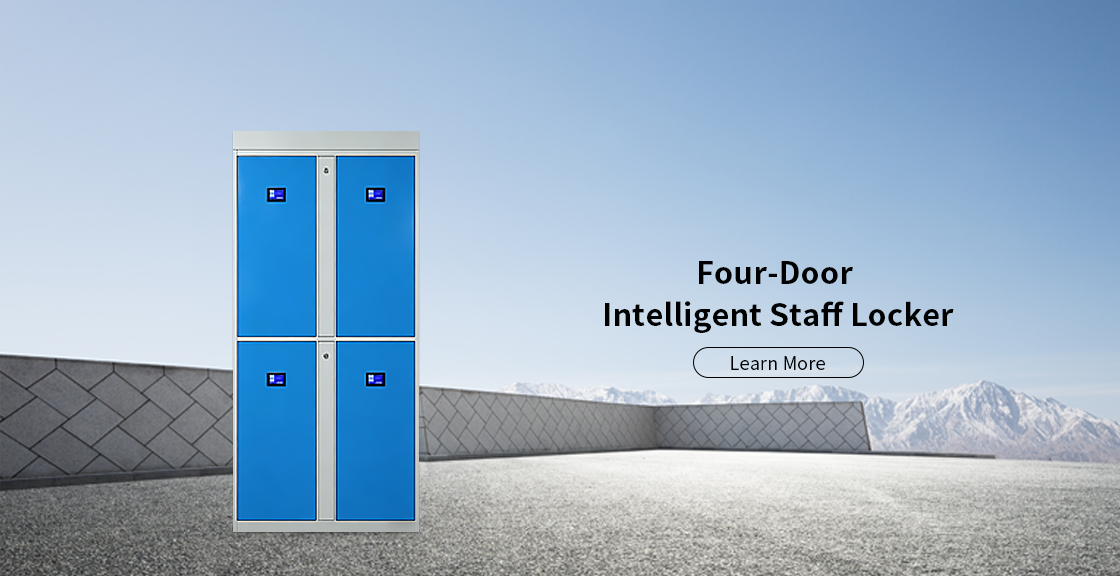
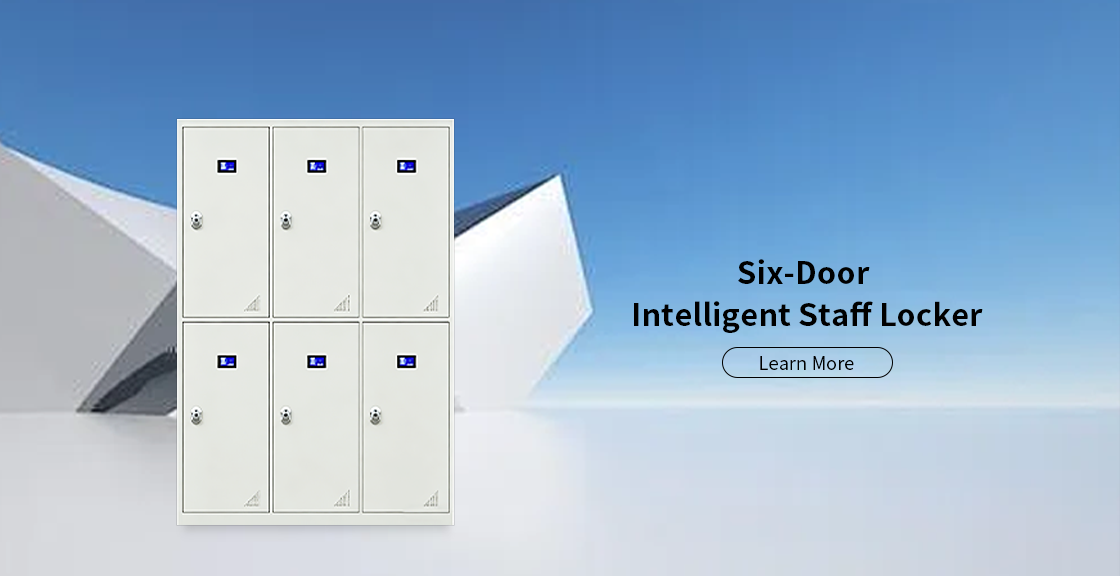
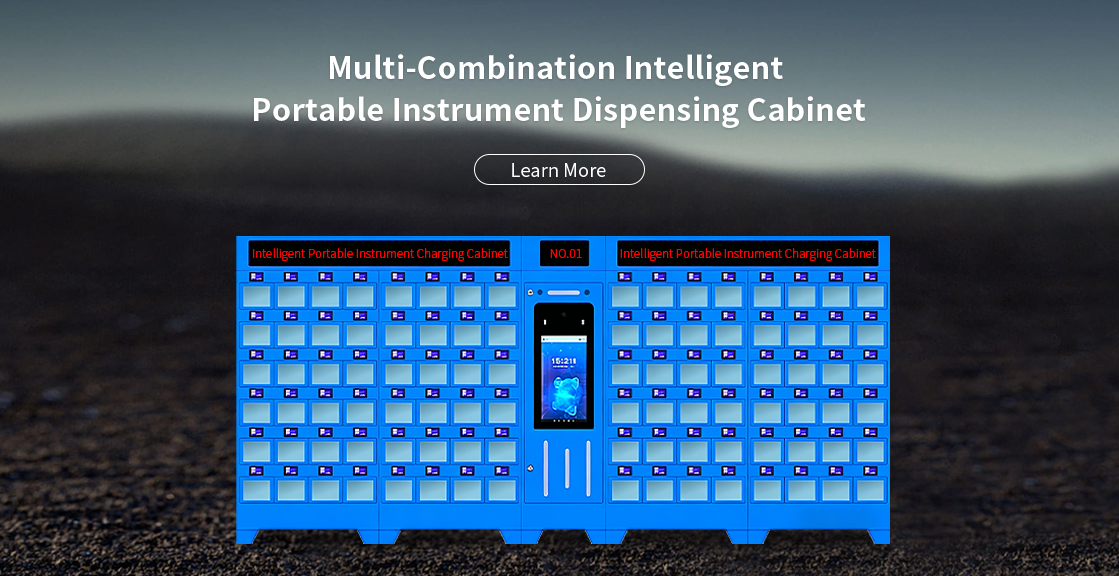
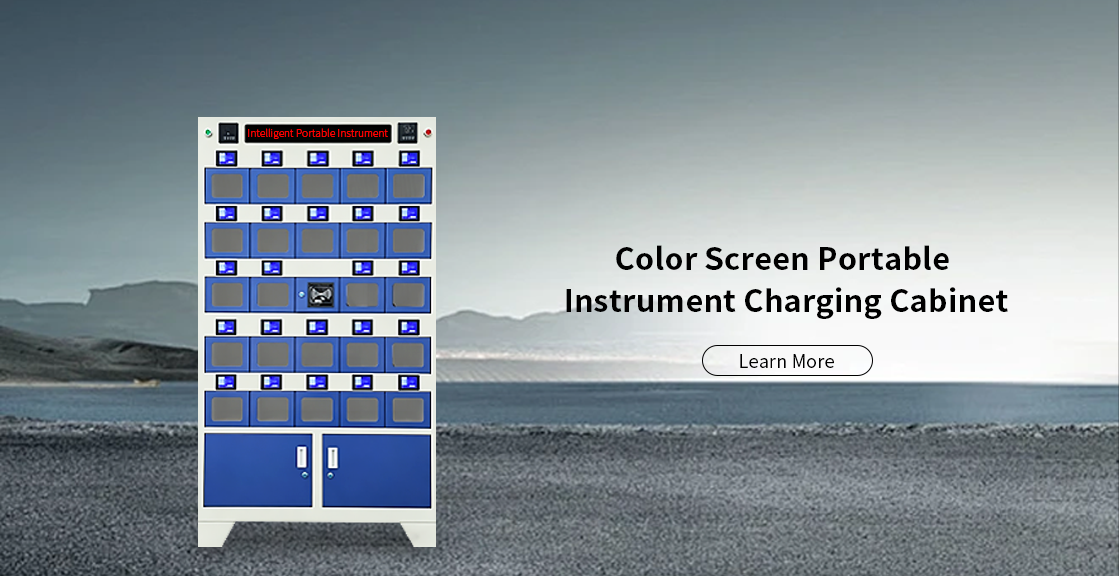
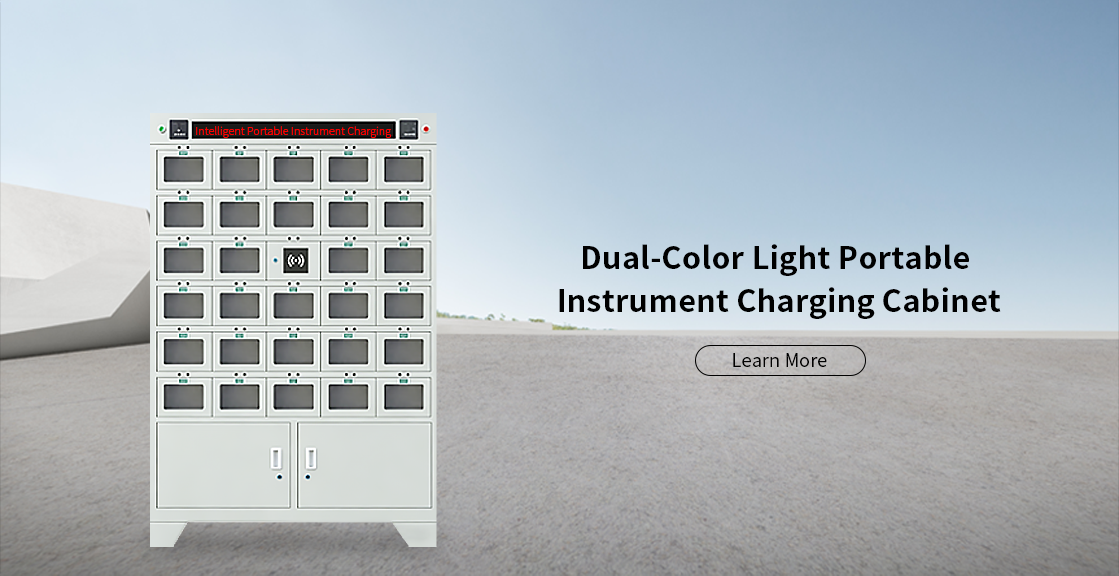
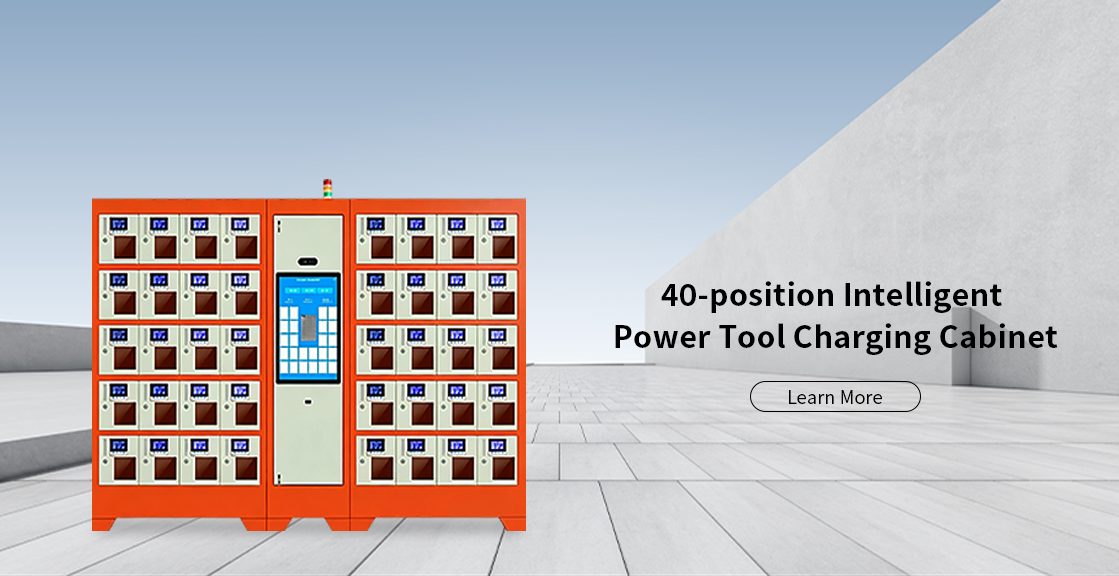
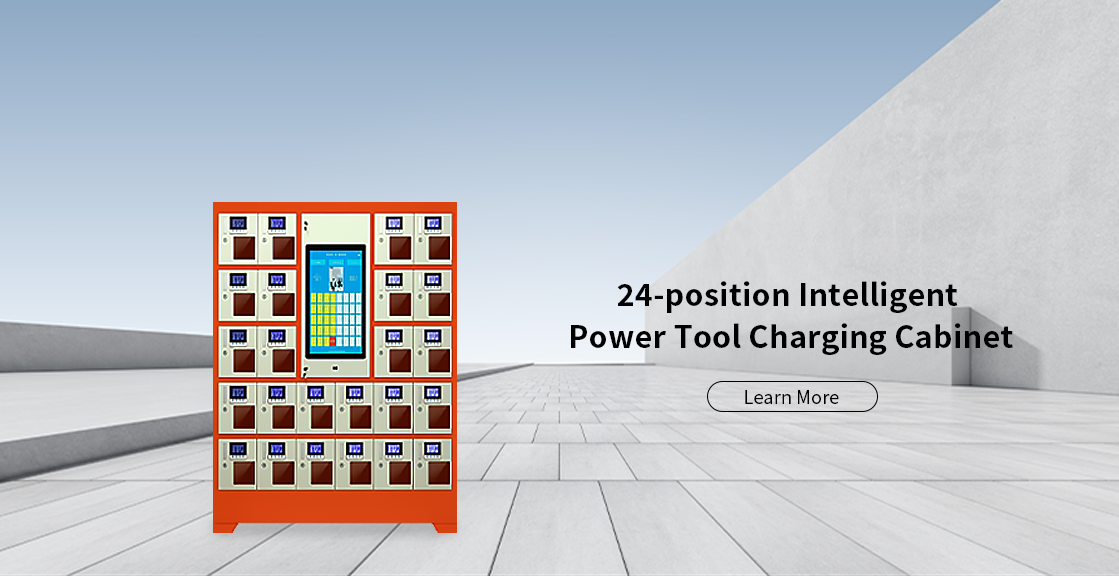
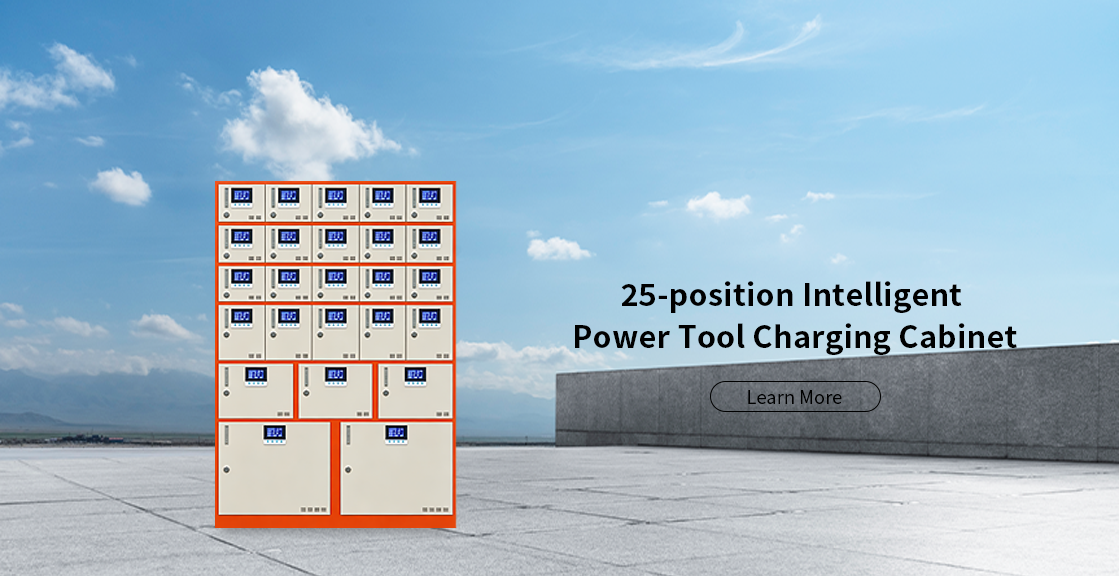
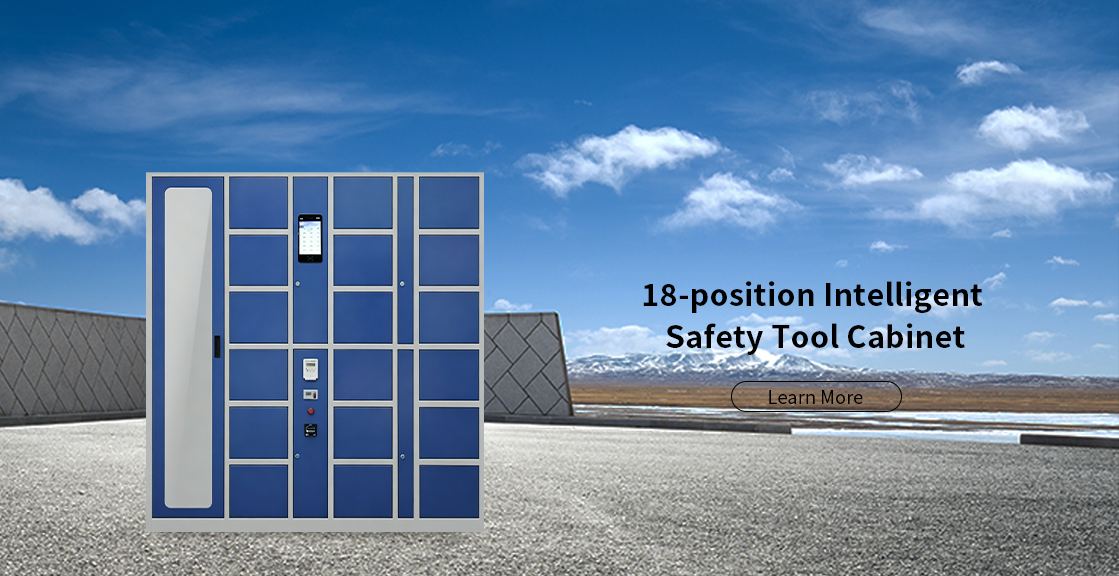
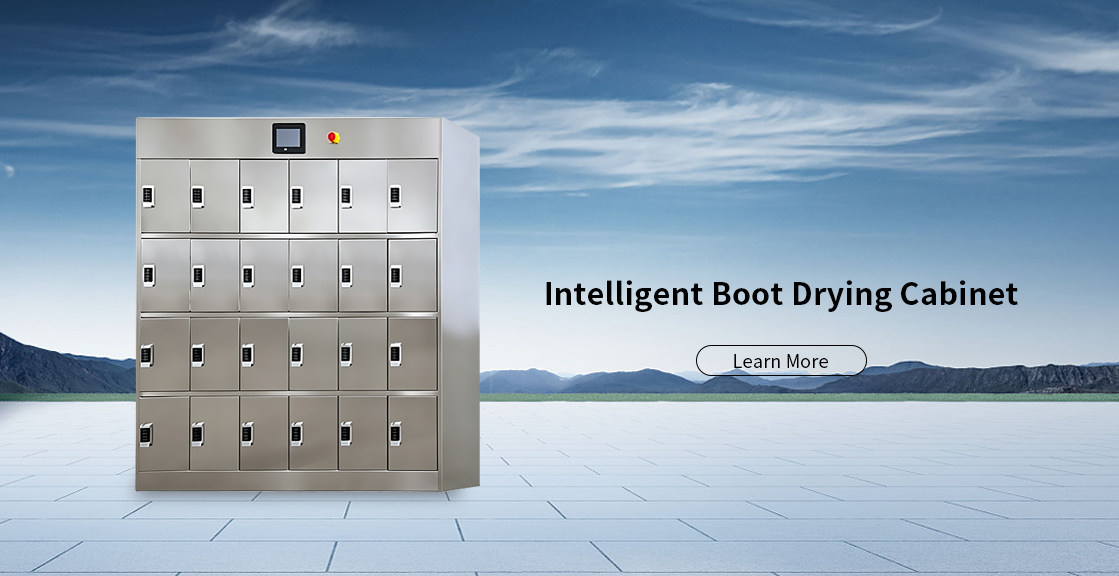
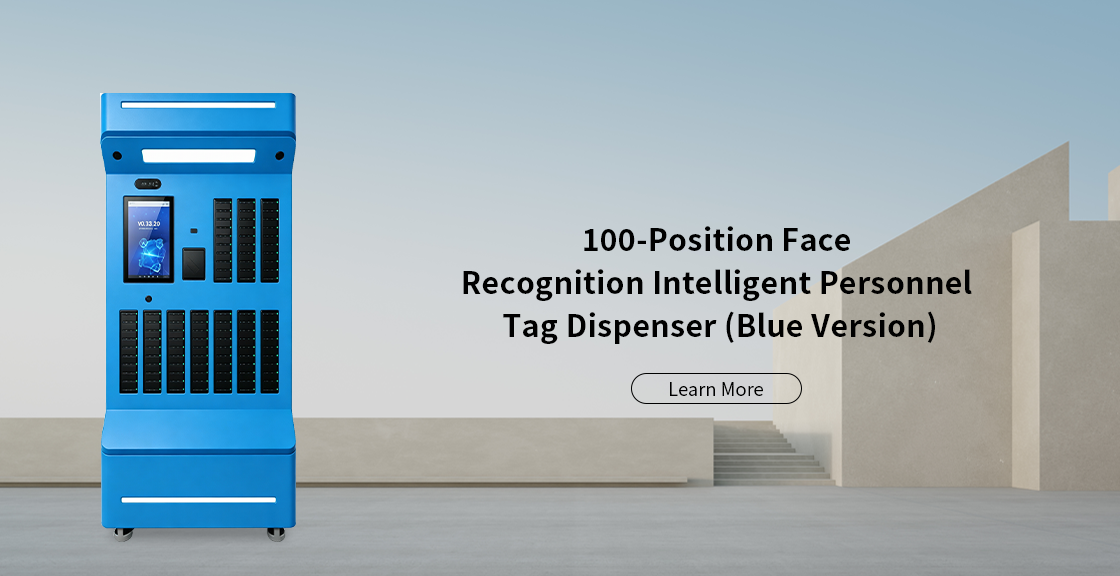
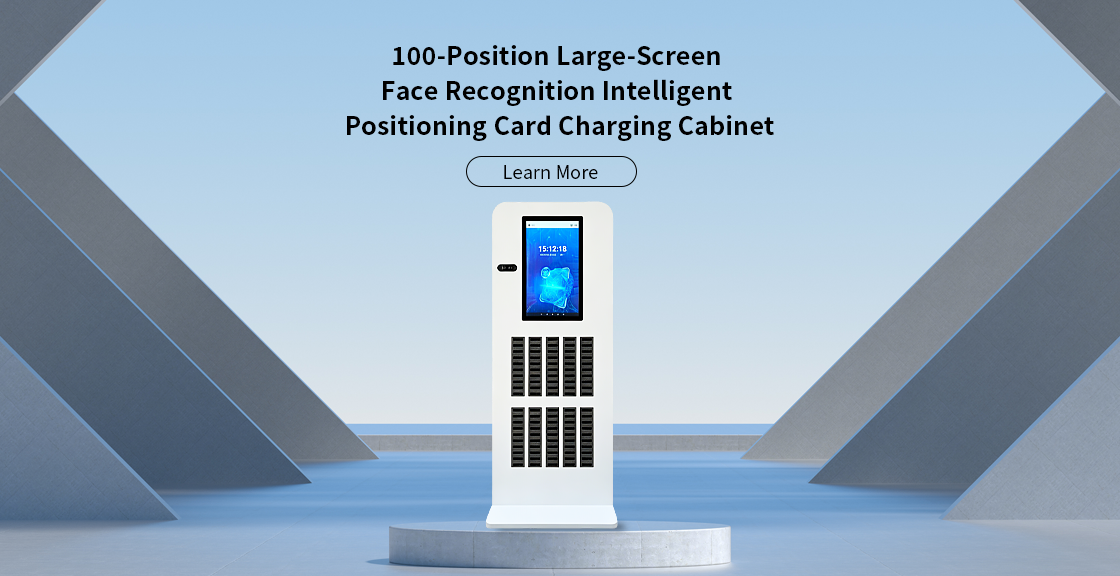
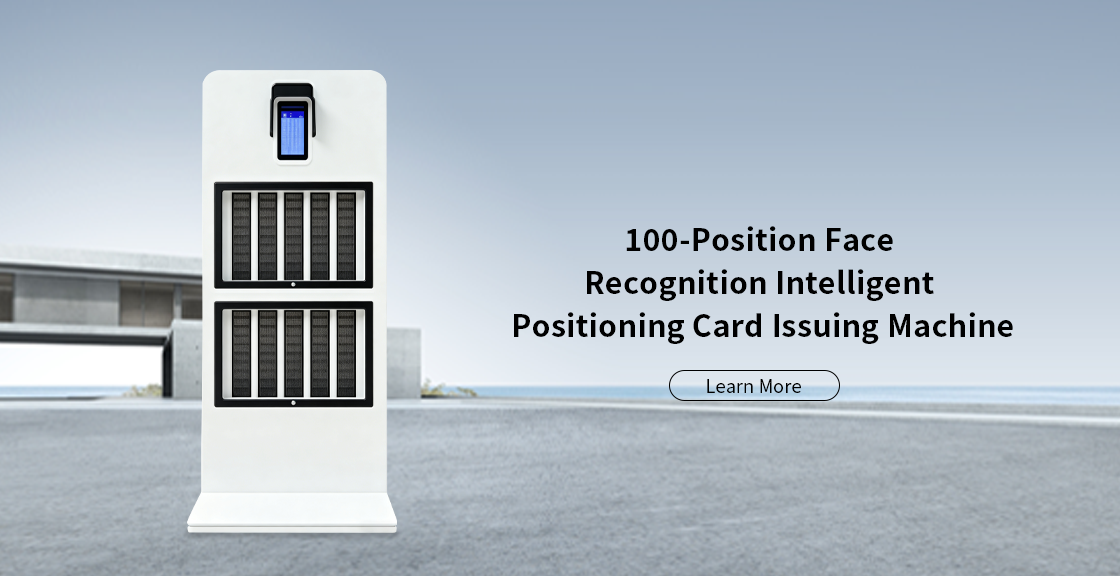
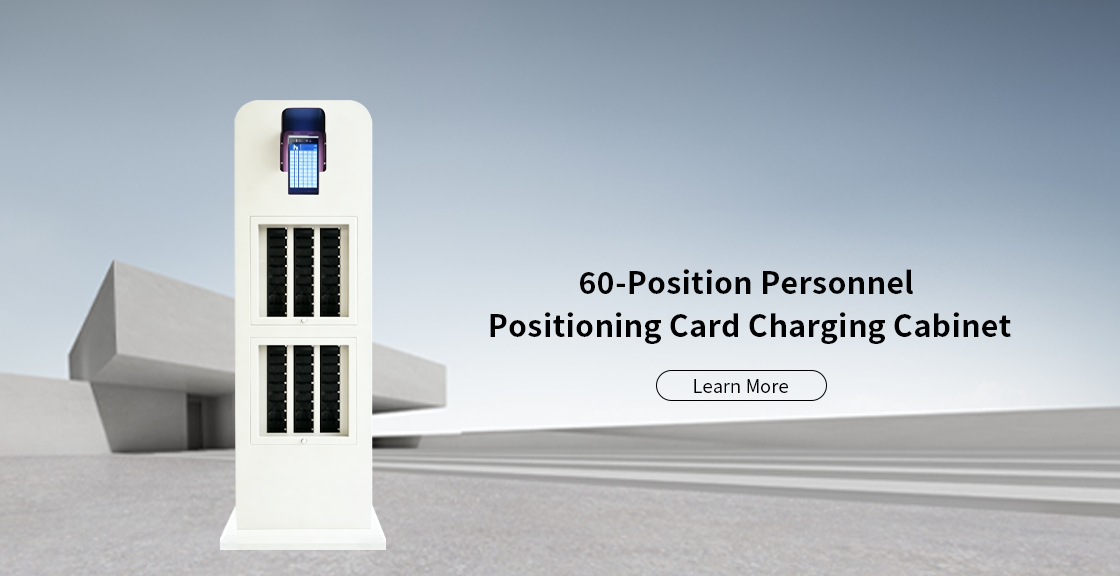
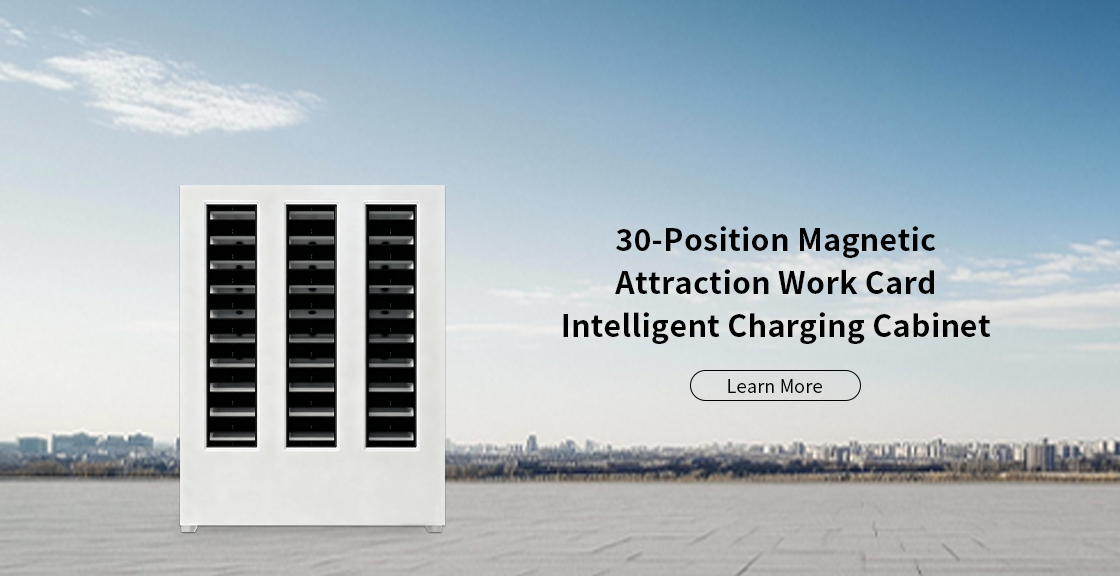
In the global mining industry, a quiet yet profound transformation is underway: traditional cap lamp charging racks are rapidly giving way to smart cap lamp charging cabinets. This shift is not a fleeting trend but a strategic response to the pressing demands for higher efficiency, smarter management, lower costs, and safer operations in modern mining. Across underground and surface mines alike, operators are recognizing that legacy racks can no longer keep pace with today’s rigorous operational standards—and smart cabinets have emerged as the clear, future-ready solution.
The Pain Points of Traditional Charging Racks
Traditional charging racks, often simple "fishbone-style" structures with exposed wiring, were once the industry norm. However, they suffer from critical flaws that hinder productivity and increase risks. First, charging inefficiency and battery damage are rampant. These racks lack intelligent monitoring, so workers must manually check battery status. This guesswork frequently leads to overcharging or undercharging, which shortens battery life significantly. What’s more, tangled cables and inconsistent power delivery create unnecessary friction in daily workflows.
Second, poor asset and personnel management plagues legacy systems. With no individual compartments or identification, cap lamps are often misplaced, lost, or mismatched. Tracking usage history, maintenance needs, or which miner used which lamp is nearly impossible with manual logs. This opacity makes it hard to allocate resources or hold teams accountable.
The Game-Changing Advantages of Smart Cap Lamp Charging Cabinets
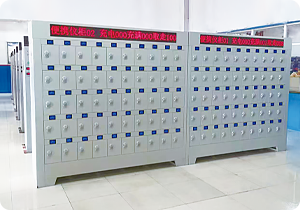
Smart charging cabinets address every flaw of legacy racks while adding powerful new capabilities—making them indispensable for modern mines.
1. Intelligent, Adaptive Charging That Extends Battery Life
At the core of these cabinets is IoT-powered smart charging technology. Each compartment has an independent charging module that automatically detects a cap lamp’s battery level. It switches seamlessly between fast charging for low batteries and trickle charging when nearly full, eliminating overcharging and undercharging entirely. Mines that adopt this technology see battery lifespans extended by 30% or more, reducing frequent replacements and cutting costs.
2. Digital Asset & Personnel Management, Simplified
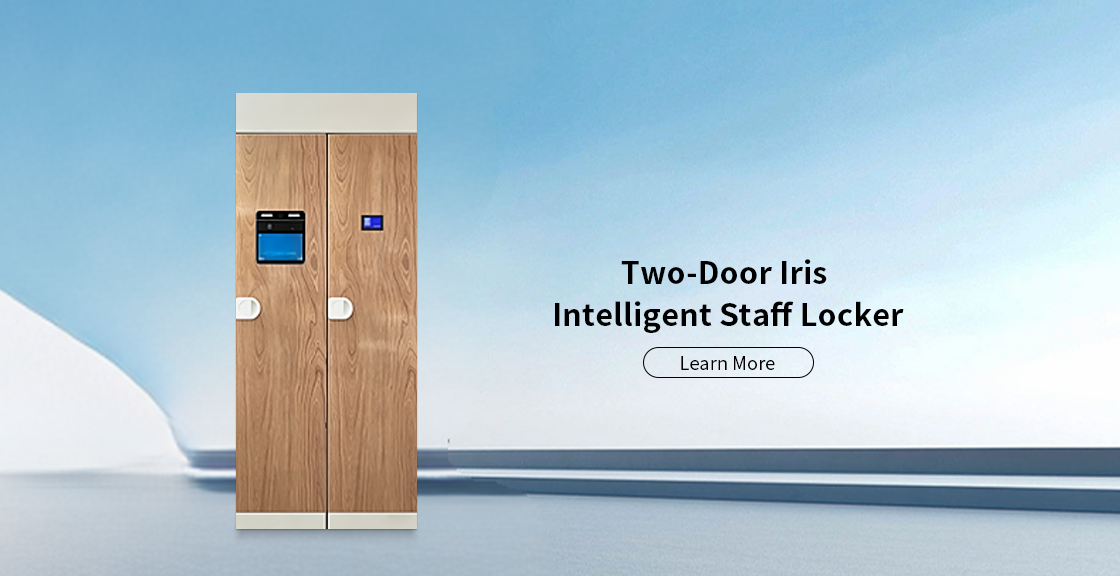
Smart cabinets turn cap lamp management into a fully digital process. Integrated with RFID, facial recognition, or fingerprint scanners, each cabinet links a specific lamp to a specific miner. This "one miner, one lamp, one compartment" system ensures no more lost or mismatched lamps. Managers gain real-time visibility into every lamp’s usage, charging cycles, and health status via a centralized software platform. Even better, cabinet usage data doubles as automated attendance tracking, eliminating manual sign-in sheets and improving workforce accountability.
3. Automated Workflows & Reduced Labor Costs
One of the biggest draws is unattended operation. Miners can self-service their lamps—scanning a badge or using biometrics to unlock their compartment in seconds. No more waiting in lines or relying on staff to distribute lamps. This cuts shift changeover time by up to 50% and eliminates the need for dedicated lamp room personnel. For mines operating 24/7, this level of automation directly boosts productivity and lowers labor overhead.
4. Durability & Space Optimization for Harsh Mining Environments
Mines are harsh—dusty, humid, and prone to vibration. Smart cabinets are built with heavy-duty, sealed enclosures that resist dust, moisture, and physical impact. Unlike open racks with exposed wires, their closed design protects internal components, reducing maintenance and repair needs. Additionally, their compact, modular design saves valuable space in lamp rooms or underground stations. Cabinets can be customized with varying compartment counts to fit small or large mining operations perfectly.
5. Data-Driven Insights for Long-Term Operational Improvement
Beyond daily charging and management, smart cabinets serve as data hubs for mining operations. The centralized platform collects data on lamp usage patterns, charging efficiency, battery health trends, and miner attendance. Managers can analyze this data to optimize maintenance schedules, predict battery failures before they happen, and even adjust staffing based on shift usage. This data-driven approach turns a basic charging system into a tool for continuous operational improvement.
Conclusion: A Future Built on Smart, Efficient Mining
The shift from traditional charging racks to smart cap lamp charging cabinets is about more than just upgrading equipment—it’s about future-proofing mining operations. In an industry where efficiency, safety, and cost control define success, smart cabinets deliver unmatched value: longer battery life, automated workflows, digital management, and actionable insights.
As global mining continues to evolve toward greater automation and digitization, smart cap lamp charging cabinets are no longer a luxury—they are a necessity. Mines that embrace this technology today are not only solving immediate operational pain points but also building a foundation for safer, more efficient, and more sustainable mining in the years to come.