

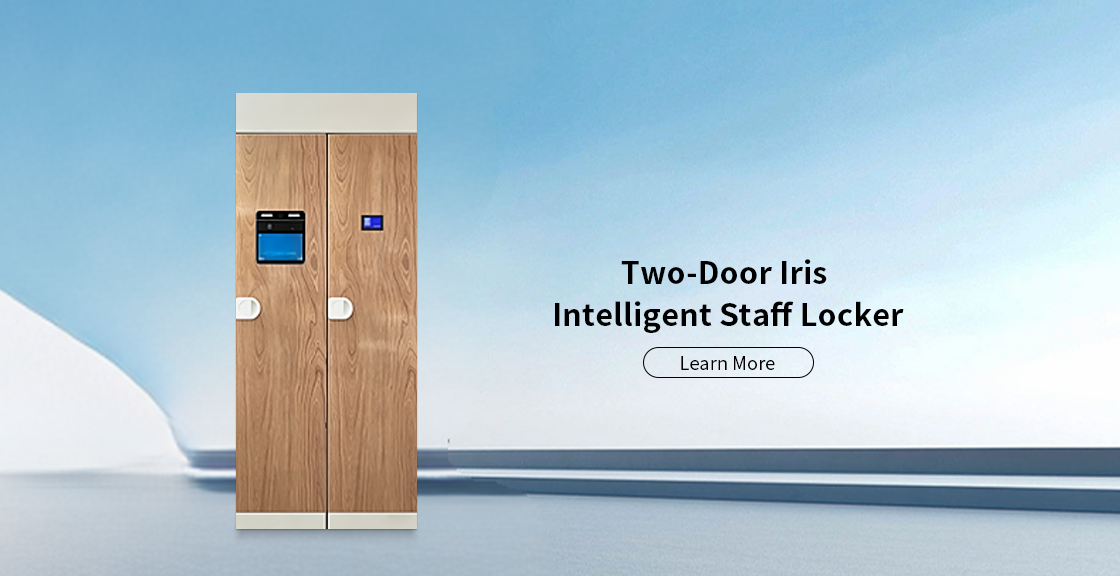
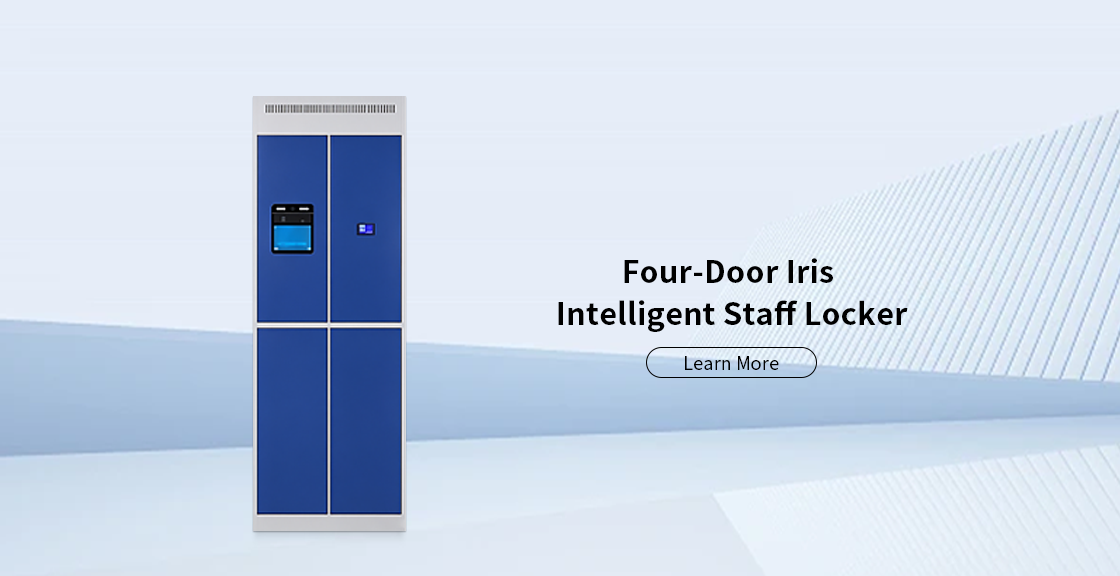
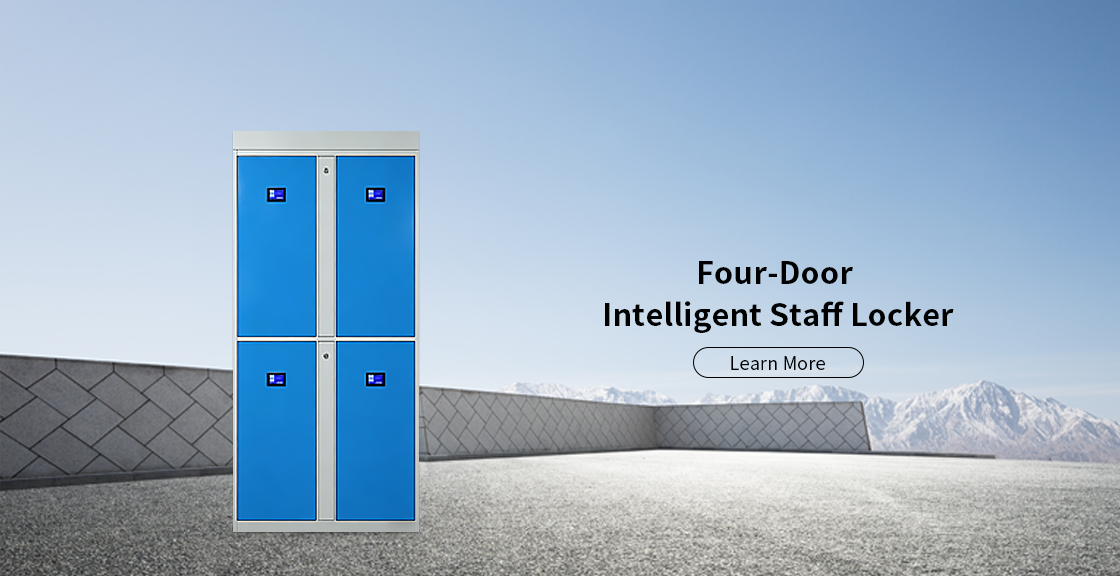
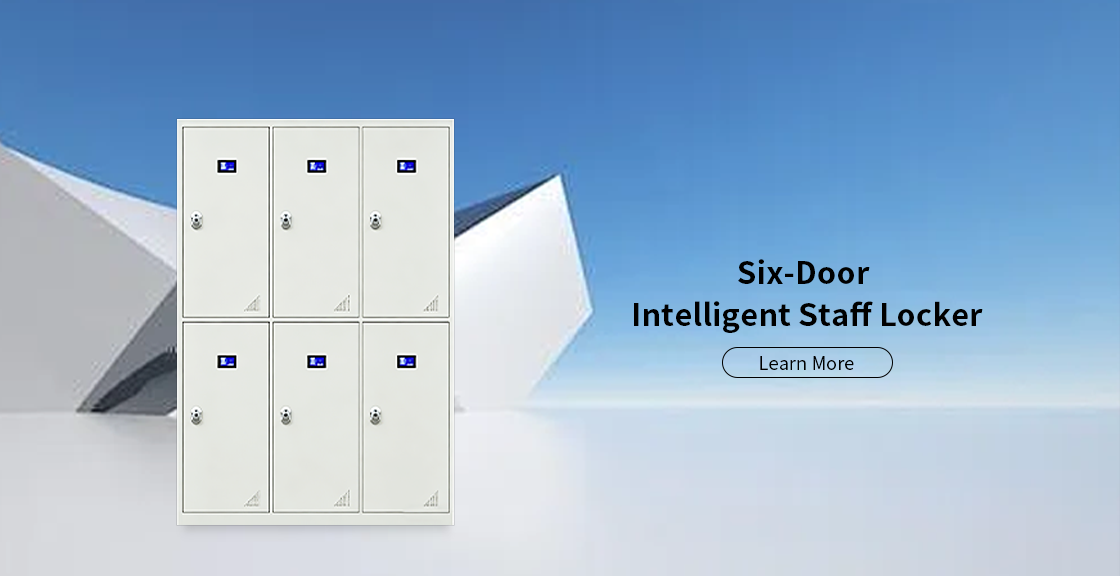






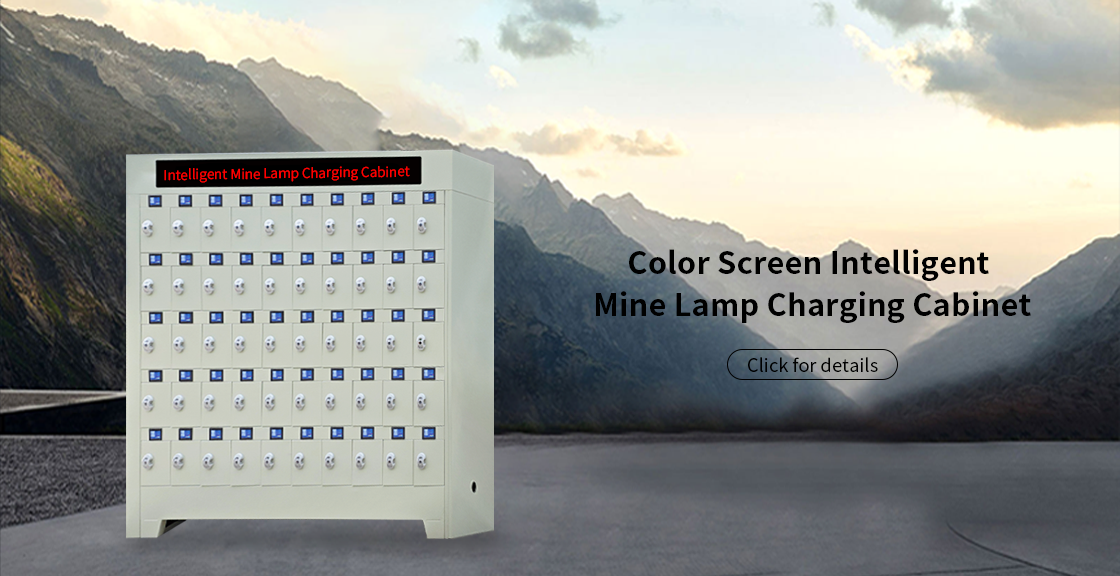
In the high-risk coal mining industry, Cap lamp management is more than a routine task—it’s a critical line of defense for worker safety and operational efficiency. For decades, manual management has been the norm, but as global safety standards tighten and operational demands rise, automated miner lamp management, centered on intelligent cap lamp charging cabinet, is emerging as the game-changer that coal mines can no longer ignore. This comparison breaks down the key differences, helping mine operators make informed decisions to protect their teams and bottom line, while highlighting the inevitability of global adoption of intelligent cap lamp charging cabinet.
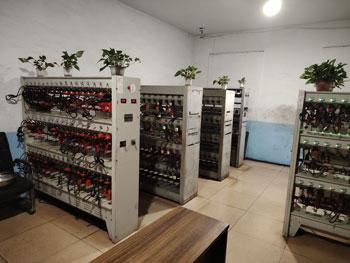
Manual cap lamp management relies heavily on human intervention, from registration and charging to fault detection. Workers spend hours logging lamp issuance and recovery, checking battery levels manually, and identifying faulty units through visual inspection. This approach is not only labor-intensive but also prone to errors: overcharging, missed faults, and inaccurate records are common, leading to safety risks like battery overheating, sudden lamp failure underground, and compliance gaps with standards such as MSHA and WHS.
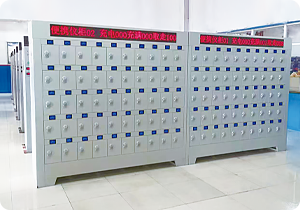
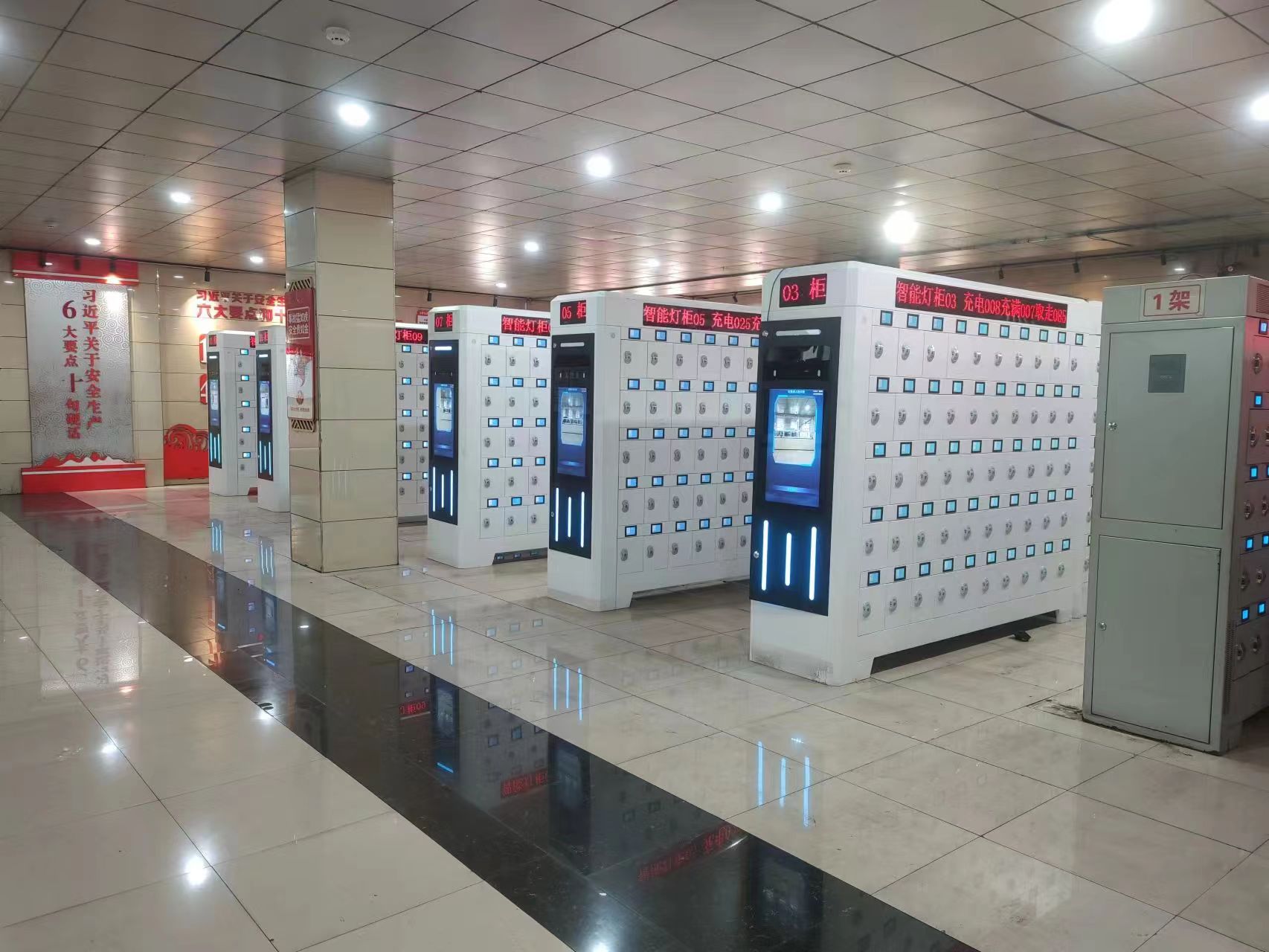
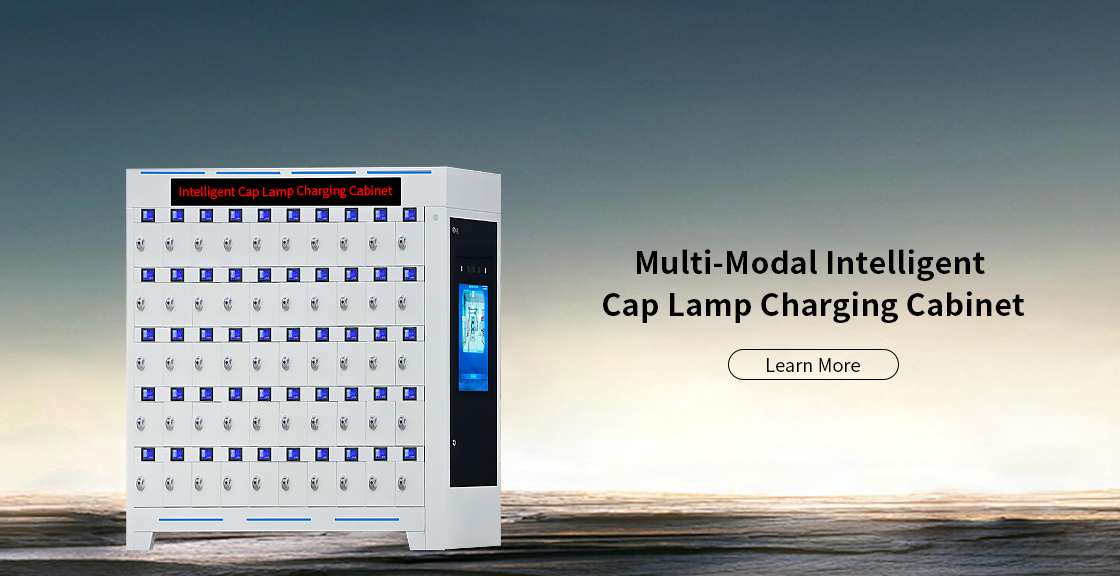
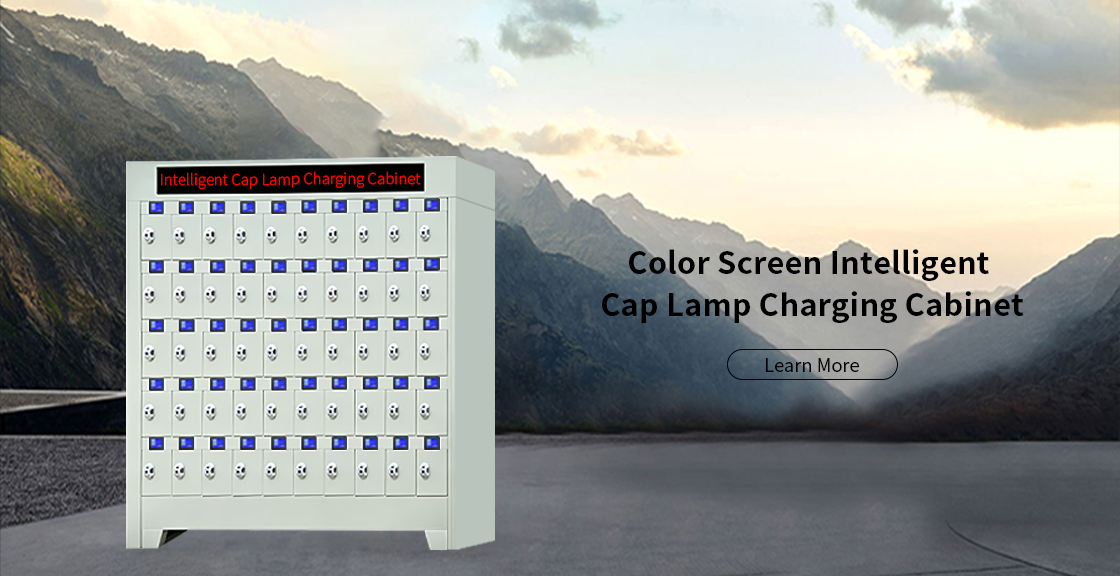
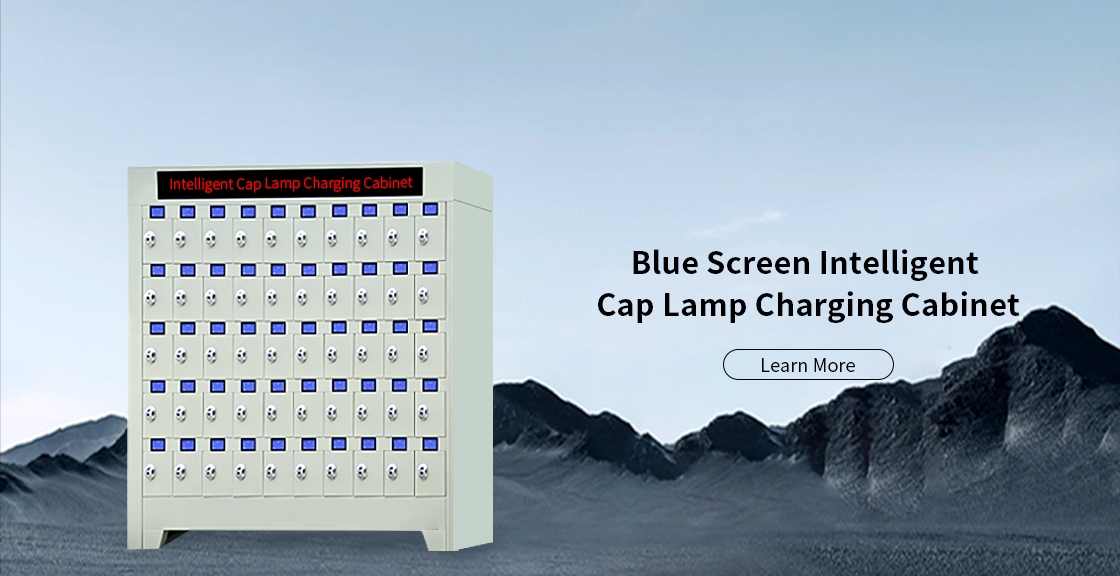
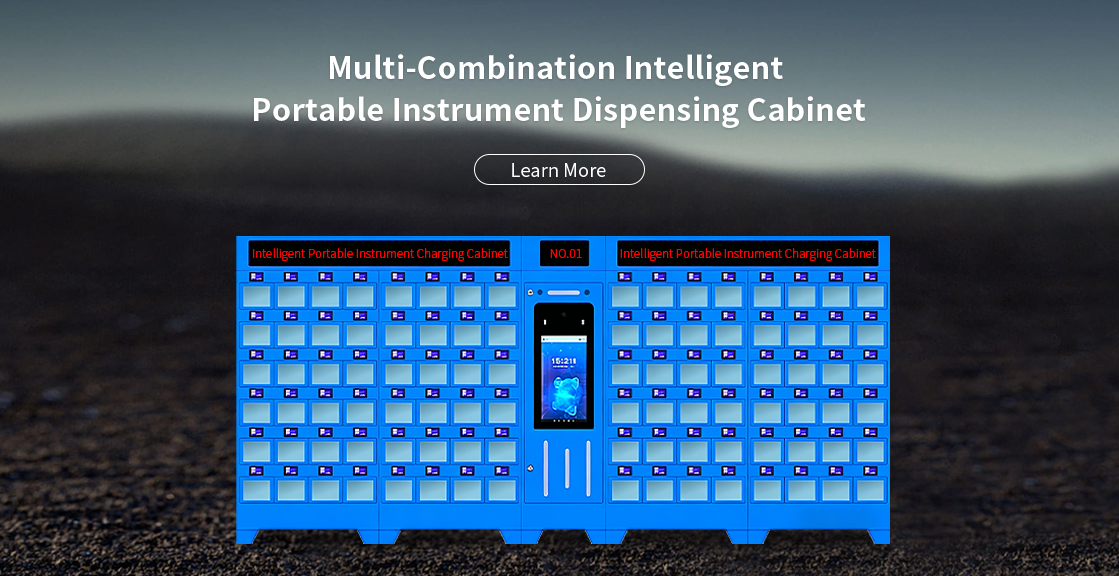
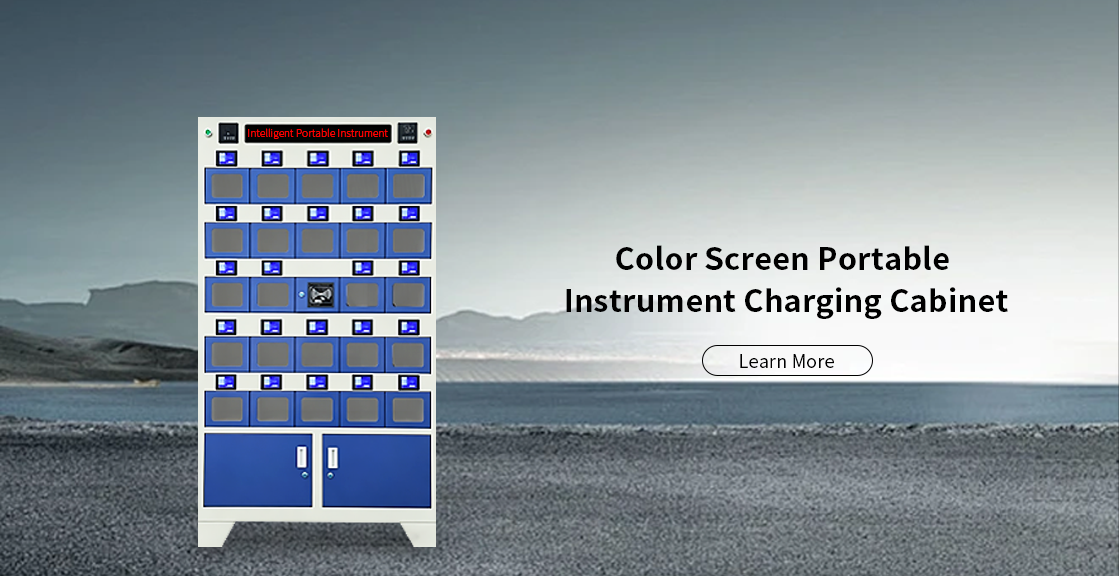
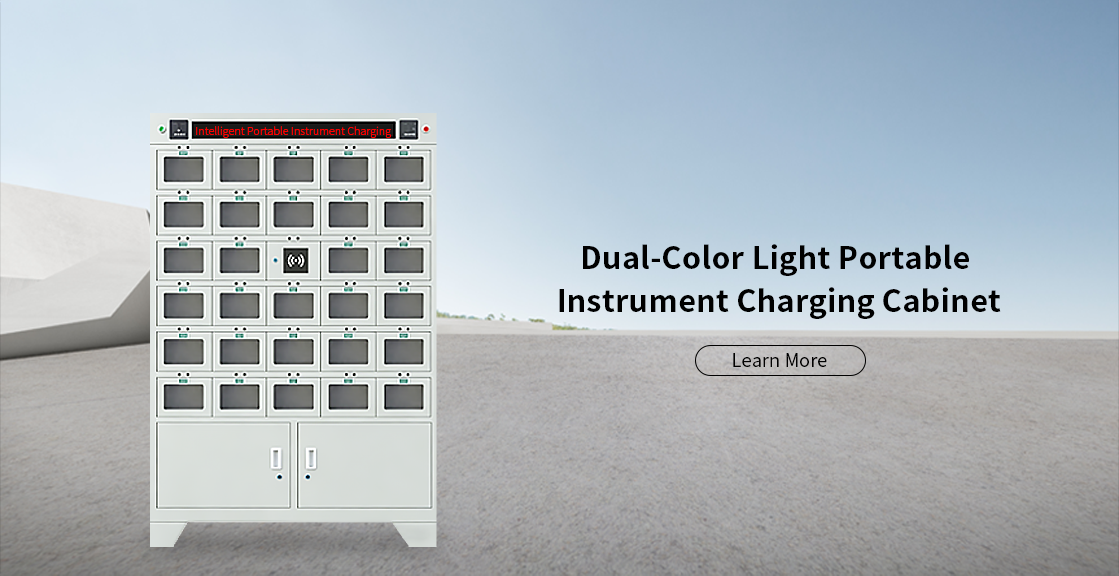
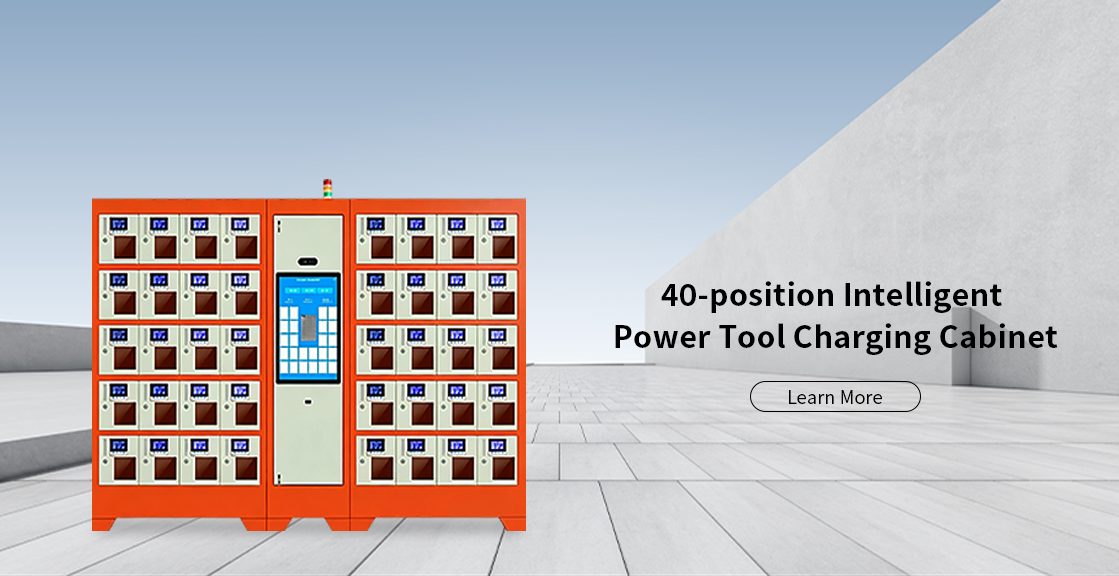
In contrast, automated miner lamp management systems, mainly composed of intelligent cap lamp charging cabinet, streamline every process with intelligent technology. These cabinets are the core of automated management, equipped with real-time monitoring, automatic charging control, and digital tracking to eliminate human error. They automatically cut power when batteries are fully charged, detect battery degradation and lamp faults instantly, and store detailed usage records for easy compliance audits. This not only reduces manual labor by up to 60% but also extends battery life, lowering replacement costs and minimizing downtime. As global mining safety standards become increasingly unified, intelligent miner lamp charging cabinets have become the standard configuration for modern coal mines, making their global adoption an inevitable trend.