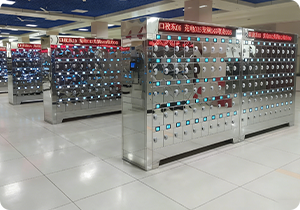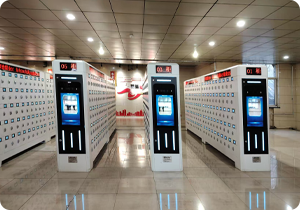


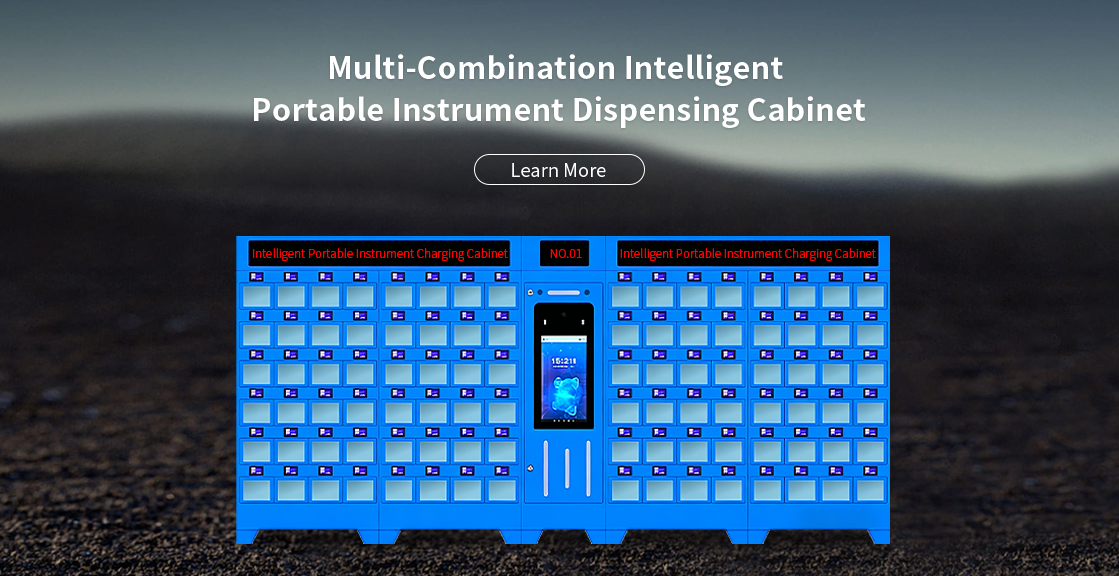
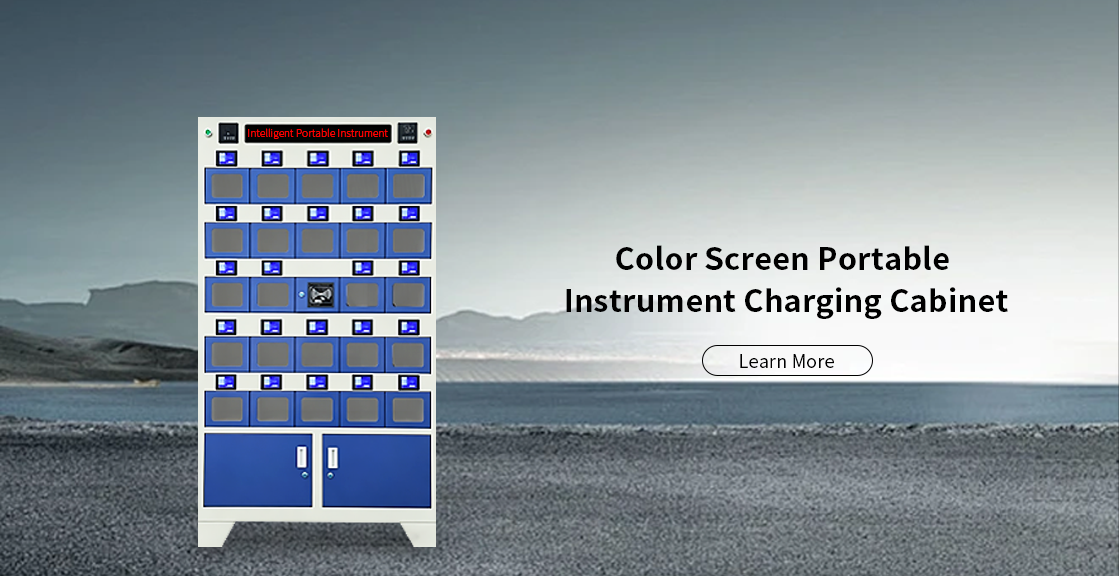
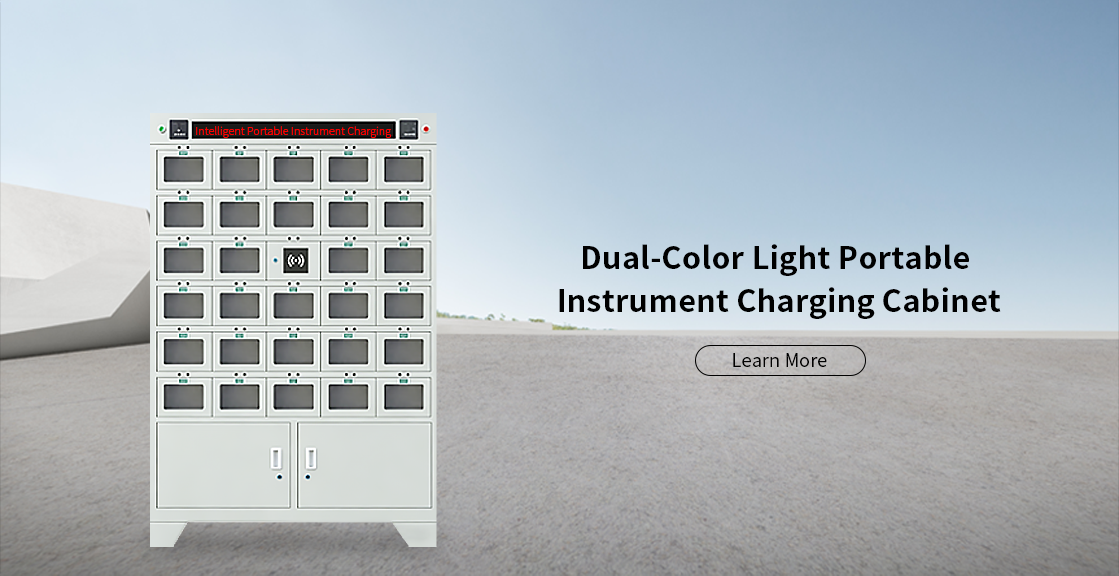
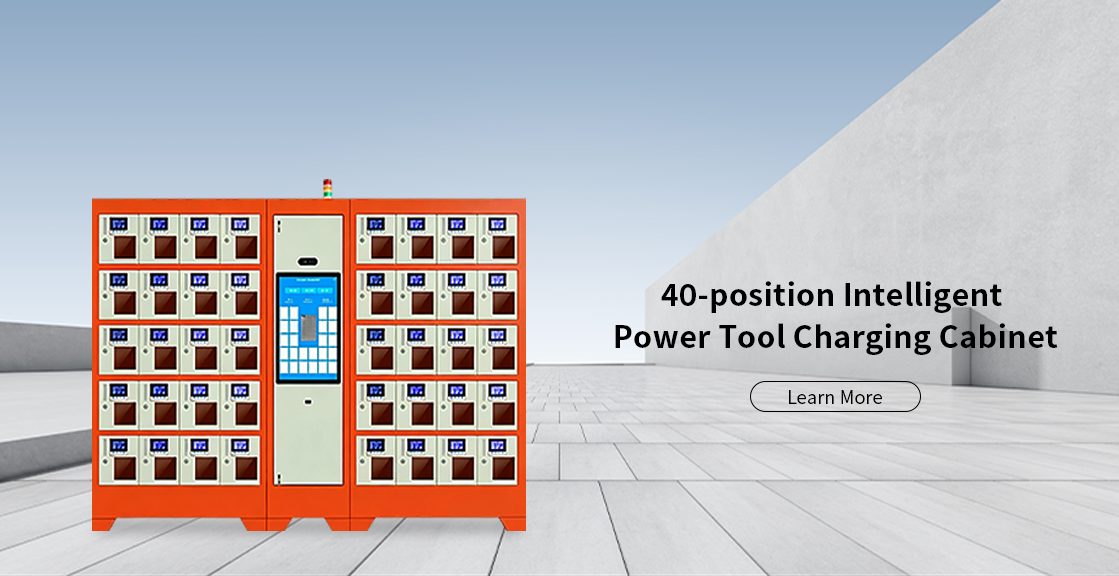
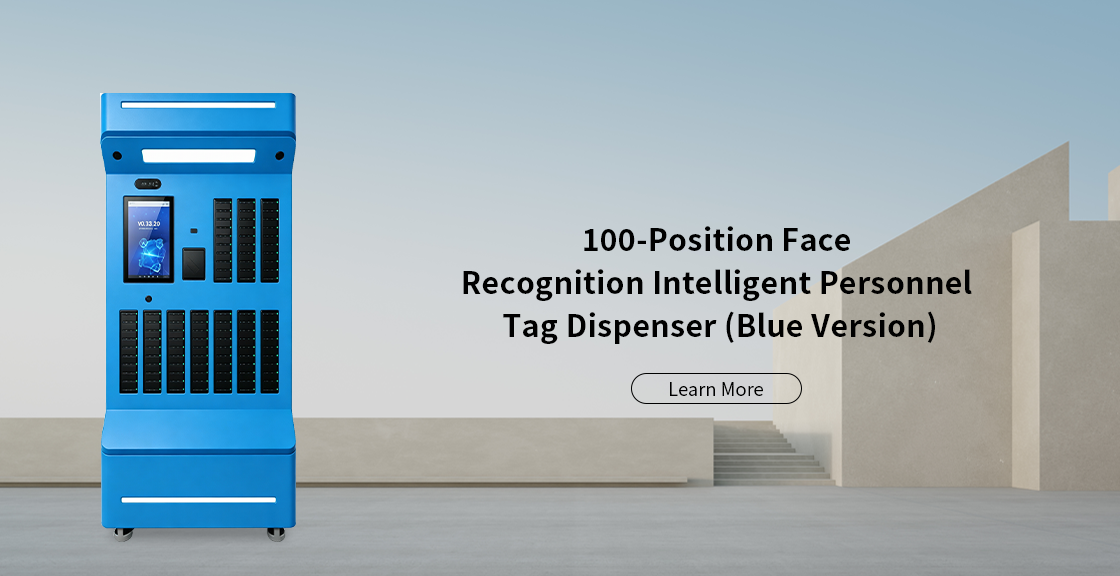

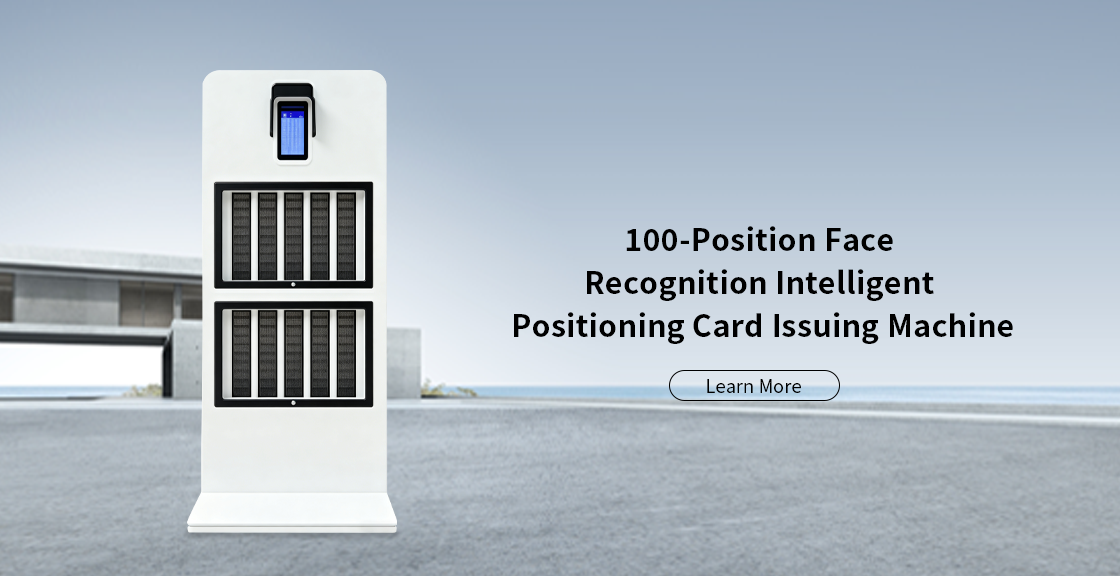
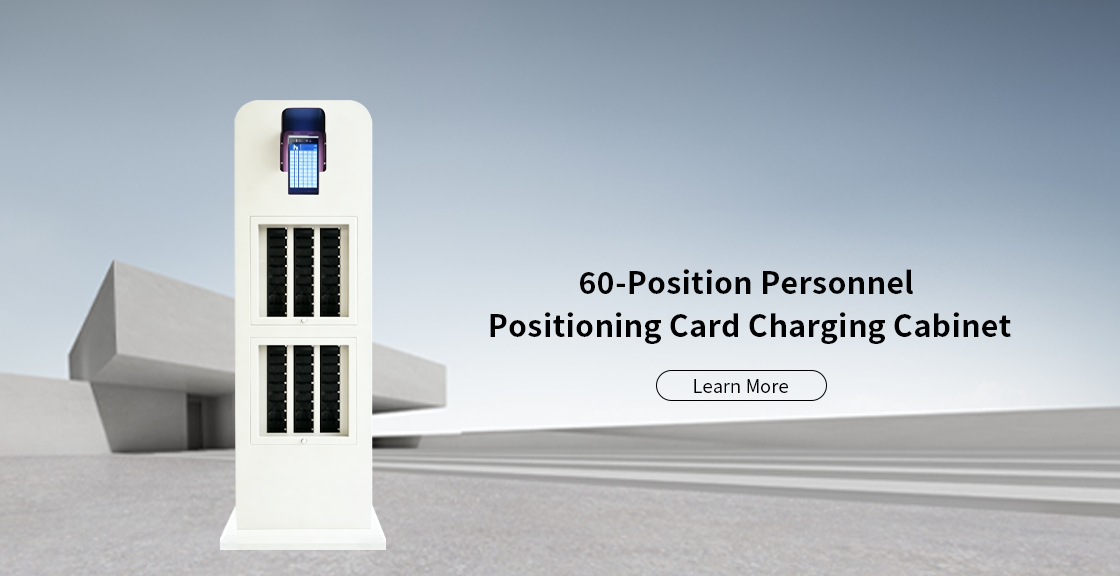
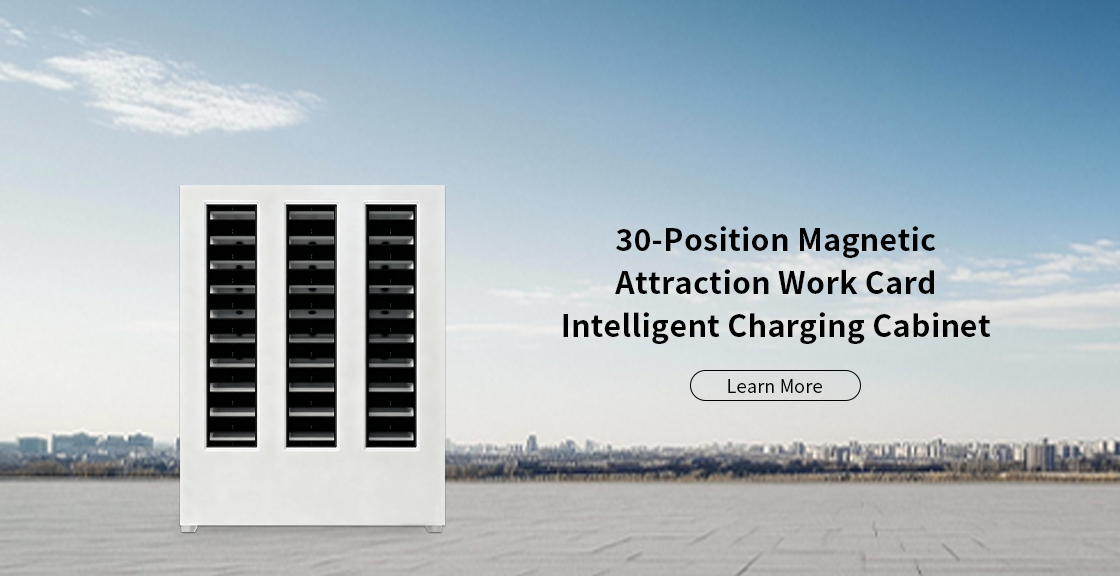
Miner’s lamps serve as the vital lighting guarantee for underground miners, and charging racks, as core equipment for lamp storage and maintenance, directly impact underground safety, personnel administration and production efficiency. Many coal mines still rely on conventional open charging racks, plagued by persistent pain points including mixed lamp use, misappropriation, unregulated charging and chaotic manual records. Amid the comprehensive advancement of smart mine construction, intelligent independent charging cabinets featuring a one-person-one-cabinet exclusive management model have emerged as an inevitable upgrade trend for mining equipment.
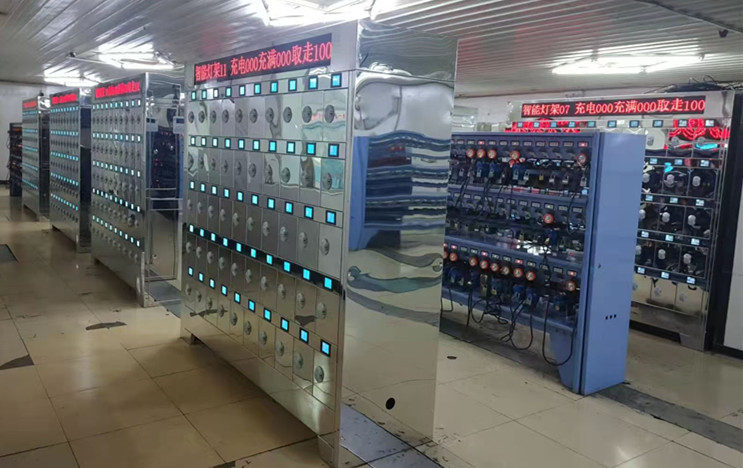
Conventional open charging racks suffer prominent drawbacks that fail to meet the management standards of modernized mines. Multiple miner’s lamps are placed together without separate enclosed compartments, leading to frequent misplacement and unauthorized lamp borrowing. Lacking individual charging protection circuits, bulk charging easily triggers overcharging, overheating and short-circuit hazards, accelerating battery degradation and even creating fire risks. Lamp collection and return fully depend on manual registration, resulting in long queues during pre-shift lamp exchange. Manual ledger recording carries significant data errors and poor traceability. In the event of underground lighting failures, supervisors cannot rapidly pinpoint responsible personnel or faulty equipment, leaving critical loopholes in safety supervision.
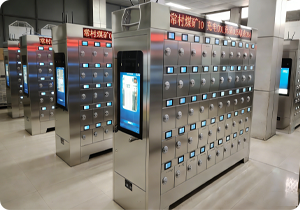
In contrast, intelligent one-person-one-cabinet charging racks deliver comprehensive upgrades in hardware and management logic, with core advantages covering safety, efficiency and digitalization.
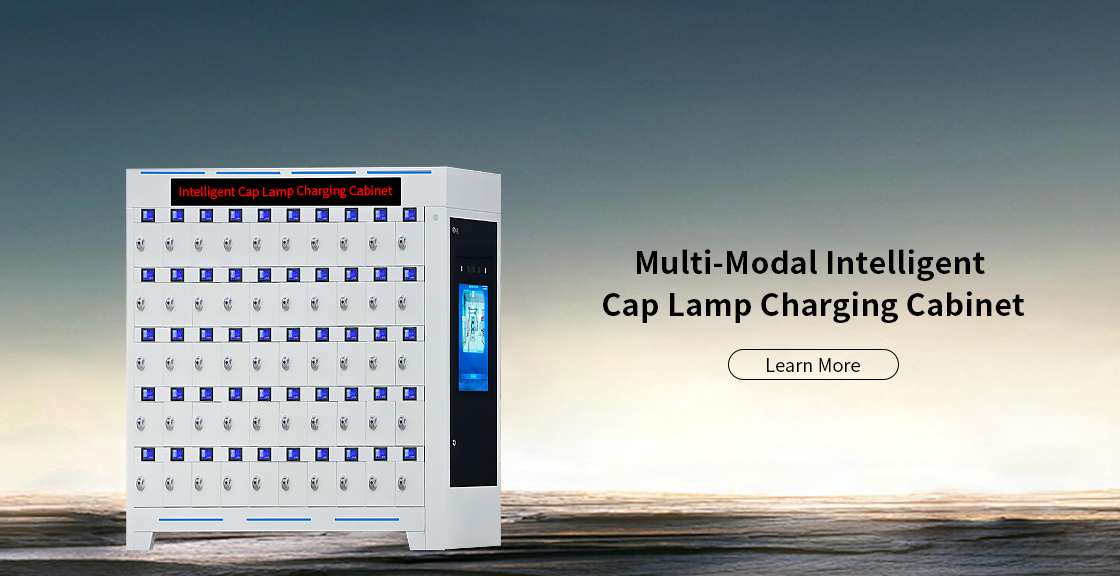
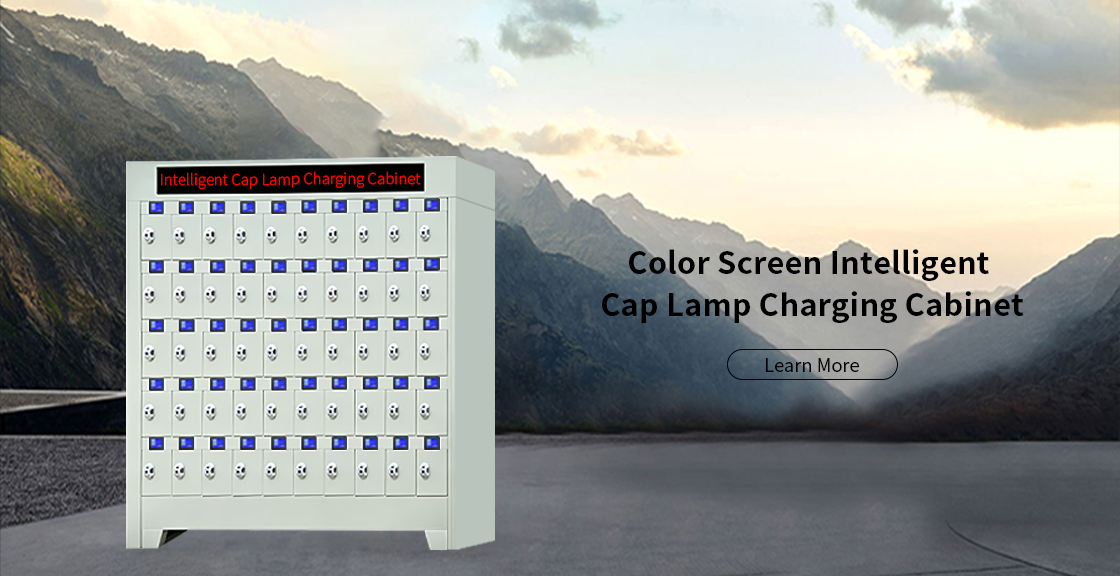
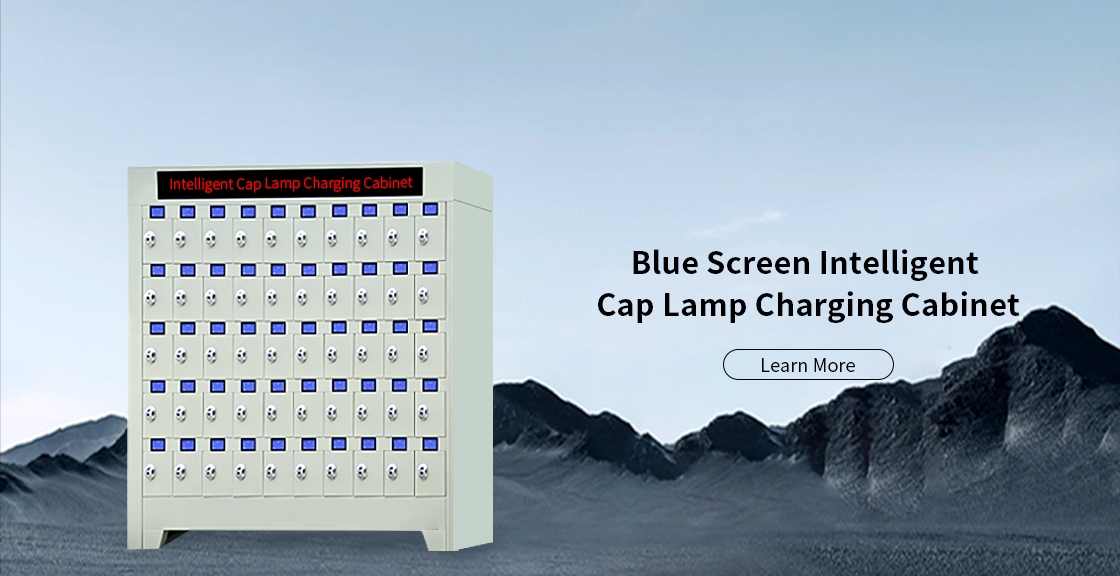
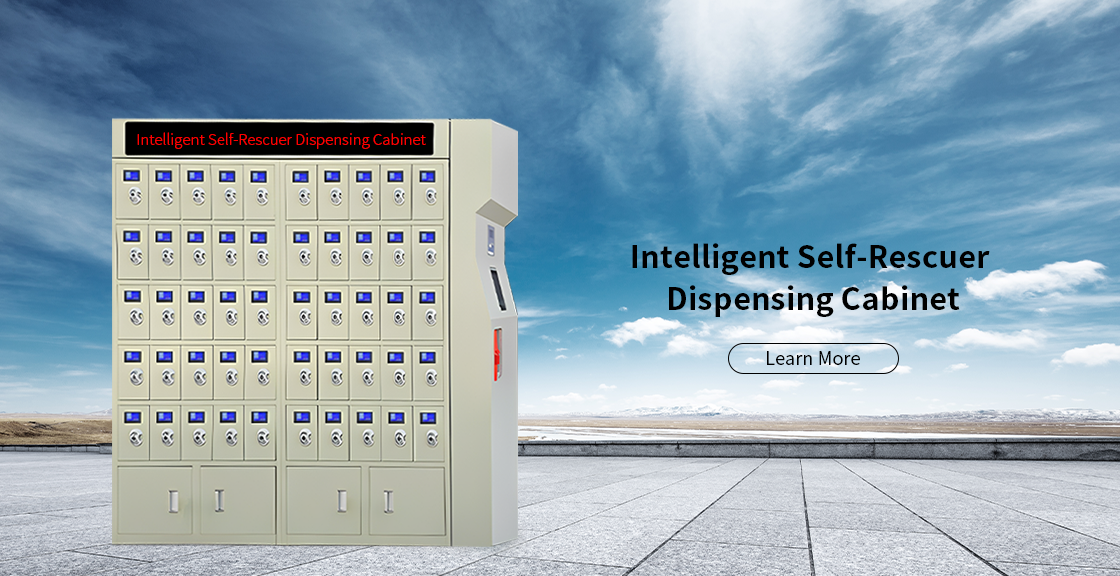
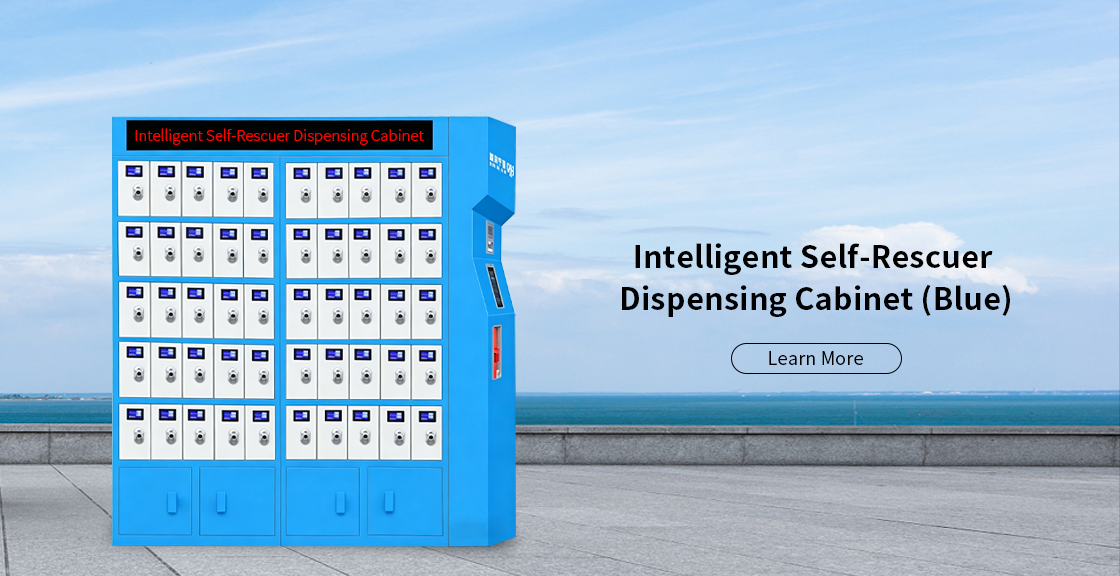
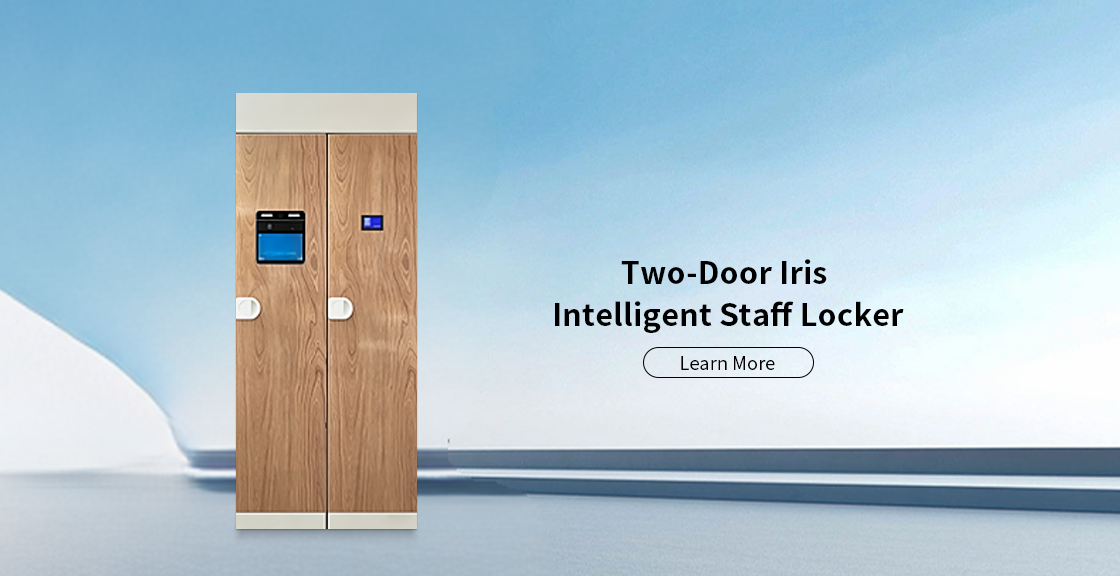
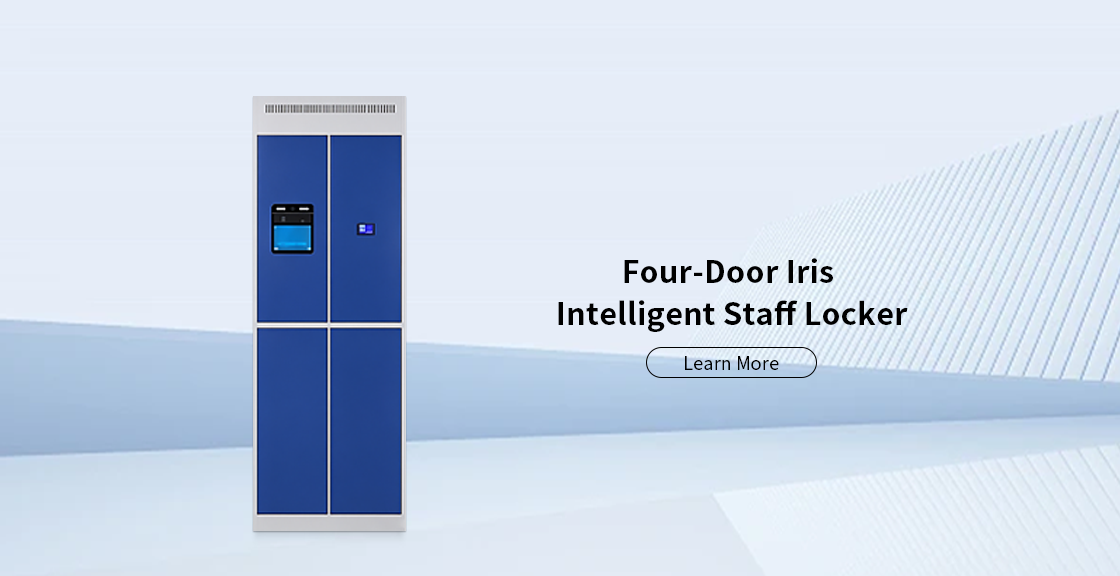
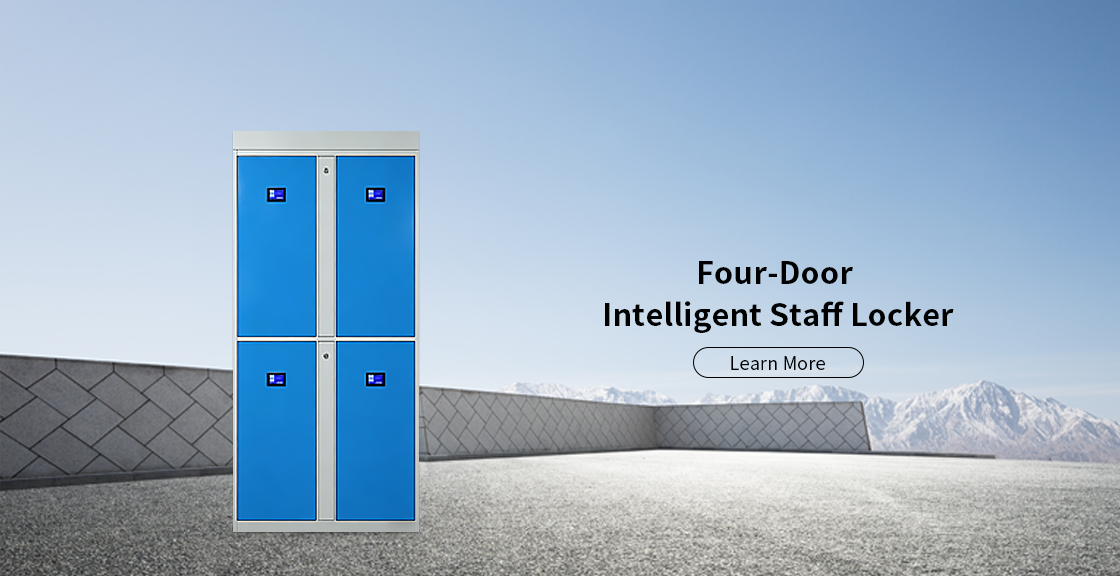
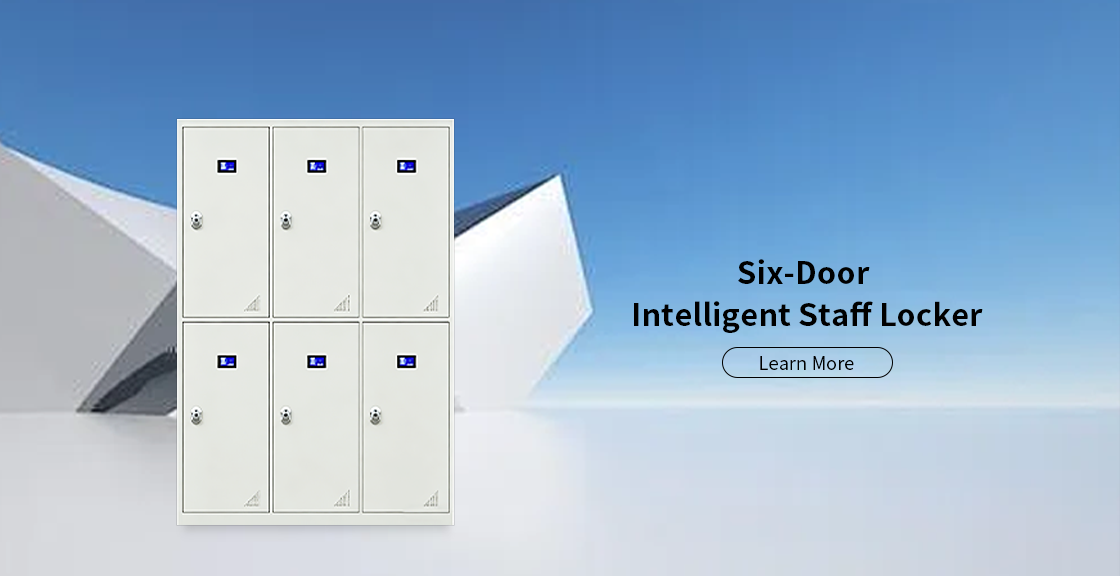
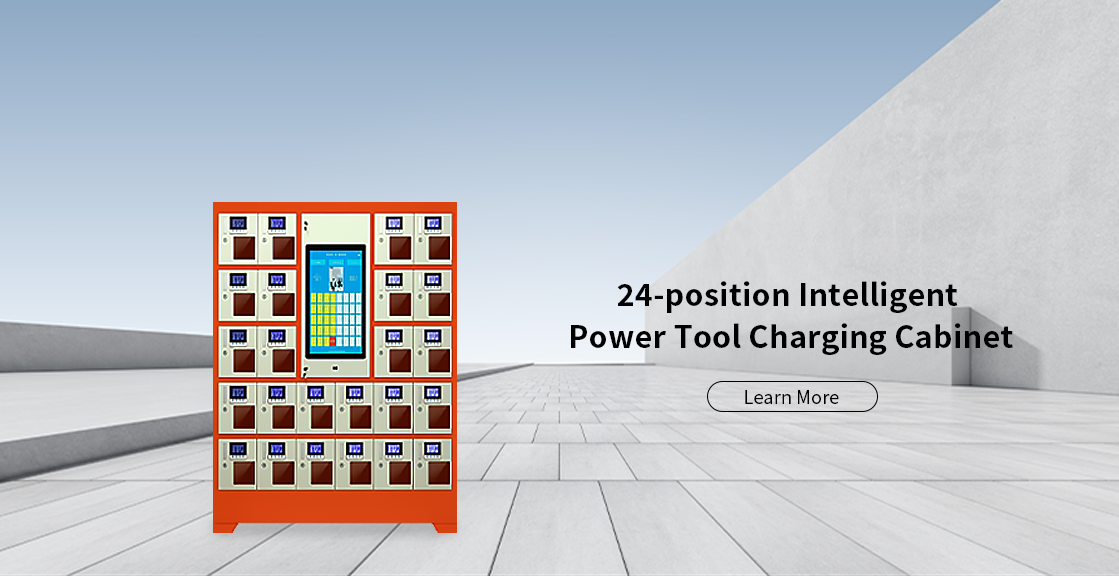
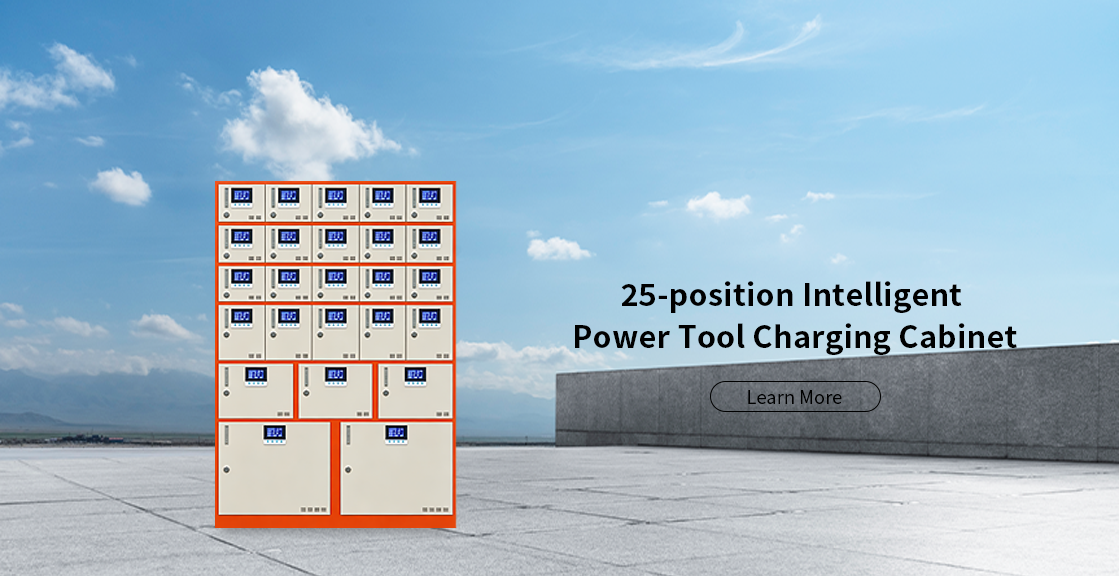
First, independent enclosed compartments enable exclusive binding between miners and lamps. Each miner is assigned a dedicated lockable cabinet integrated with multi-modal identity verification including facial recognition, card swiping and iris scanning. Miners can unlock their exclusive lamp compartments via self-service identity authentication, completely eliminating mixed-use and unauthorized transfer of miner’s lamps. Isolated compartments shield lamps from dust and collision damage, and can store both miner’s lamps and self-rescuers in a tidy, standardized manner, preventing substandard lighting equipment from being taken underground at the source.
Second, full-process intelligent monitoring reinforces charging safety barriers. Each compartment is equipped with an independent charging module that automatically adapts to lithium miner’s lamp charging curves, with multi-layer power-off protection against overvoltage, overcurrent, high temperature and short circuits. A large display screen real-time shows charging status, fully charged signals and fault alerts for every compartment. The system automatically locks malfunctioning compartments and issues early warnings for aging batteries and abnormal charging, stopping undercharged or damaged lamps from being retrieved and drastically reducing underground lighting failure risks. Cabinets are constructed with explosion-proof and rust-proof materials to withstand humid, dusty mining environments and ensure stable long-term operation.
Third, the supporting digital management system forms a closed-loop mine administration workflow. The charging rack automatically records lamp collection/return timestamps, charging cycles and battery service life, generating attendance and equipment maintenance reports with one-click operation to eliminate manual bookkeeping. The equipment can interconnect with mine personnel positioning and wellhead security inspection systems, synchronizing access data to the dispatching platform. Managers can remotely monitor the overall lamp usage status across the mine, realizing full-lifecycle traceable management of miner’s lamps and facilitating refined mine assessment.
From a long-term operational cost perspective, intelligent one-person-one-cabinet charging racks deliver superior cost performance. Independent balanced charging minimizes battery wear and cuts recurring miner’s lamp procurement expenses. The unattended self-service access model reduces lamp house staffing and labor costs. Automatic fault early warning enables advance hazard elimination and lowers unexpected maintenance downtime losses. After equipment renovation at numerous coal mines, lamp failure rates have dropped by over 60%, while pre-shift waiting time for lamp exchange has been reduced by 80%, greatly improving miners’ experience and mine safety management standards simultaneously.