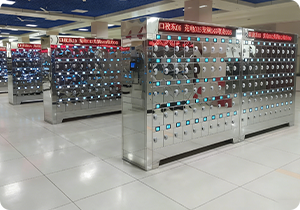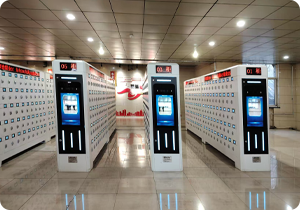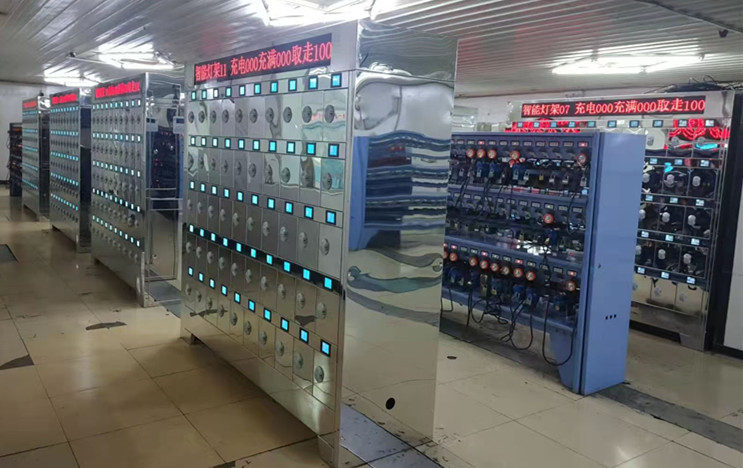


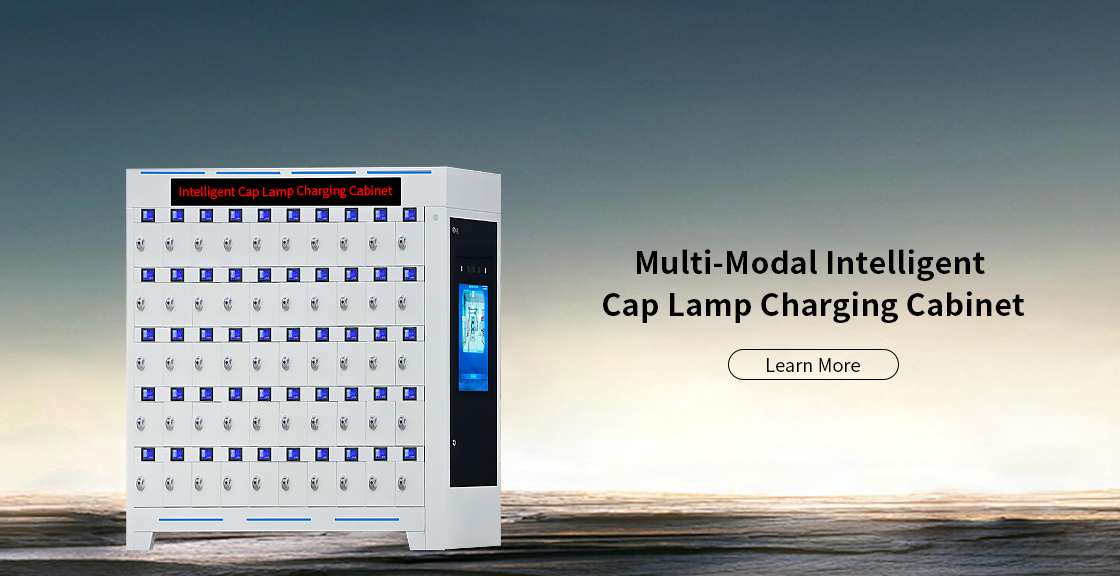
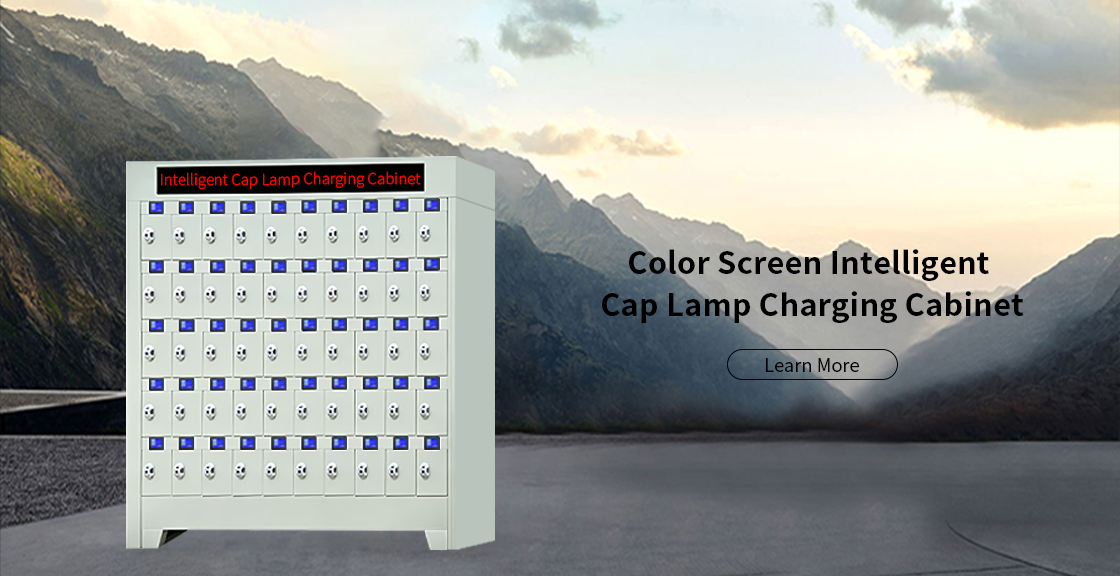
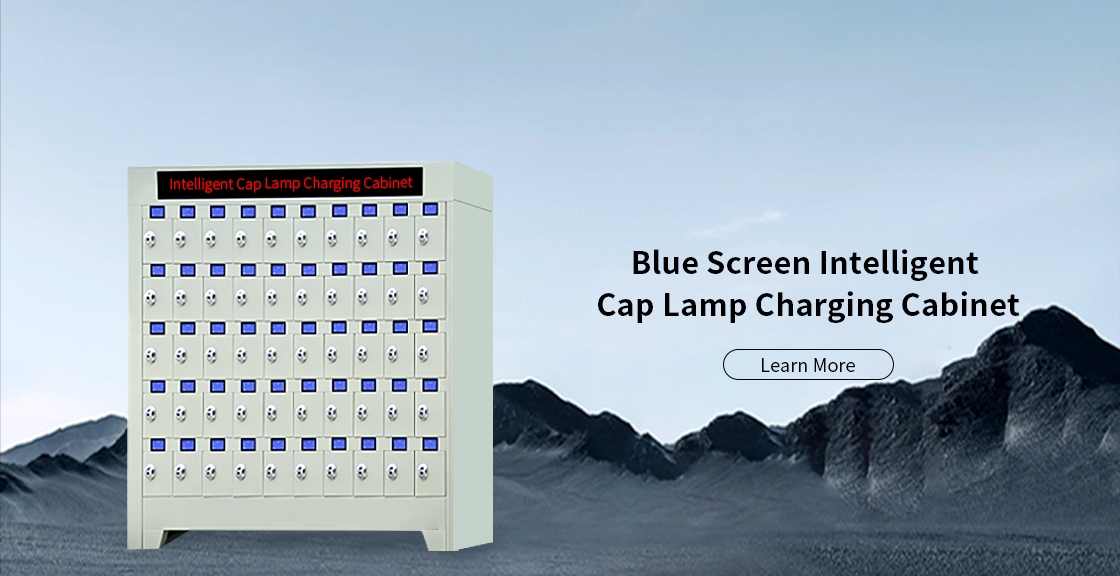

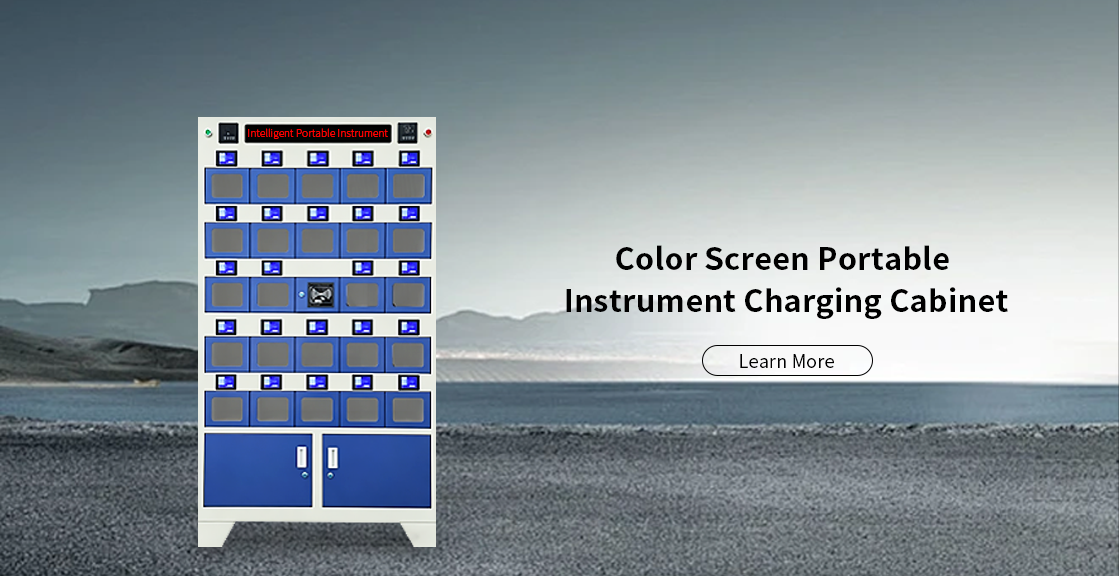
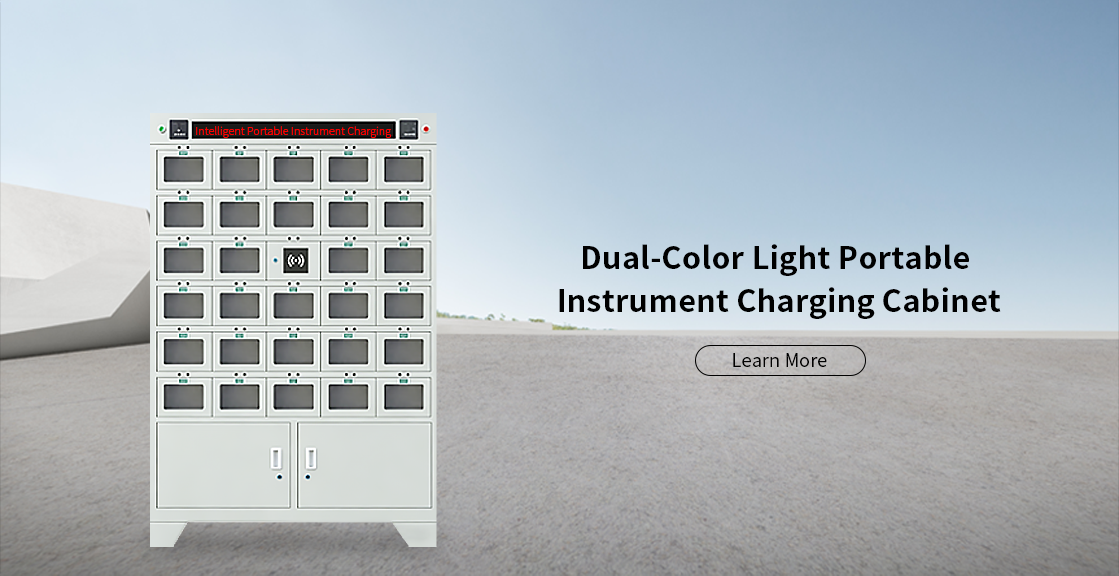



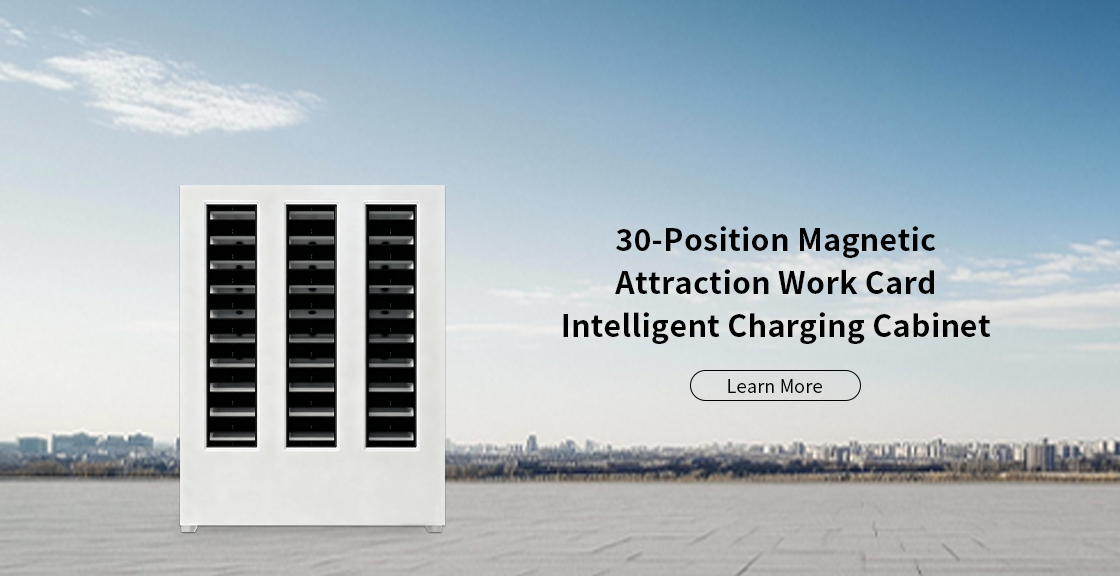
Cap lamp charging stands as the primary safeguard for underground mine safety. The selection of charging equipment directly impacts mine safety control, personnel administration and operation & maintenance costs. When carrying out technical renovation upgrades or constructing new mines, numerous mining enterprises face a core dilemma: stick with conventional open cap lamp racks or upgrade to intelligent cap lamp charging cabinets? In line with current coal mine safety codes and smart mine construction criteria, the industry has reached a definite conclusion: open lamp racks work for short-term transitional use, yet intelligent charging cabinets represent an inevitable trend for long-term compliant operation and intelligent transformation.
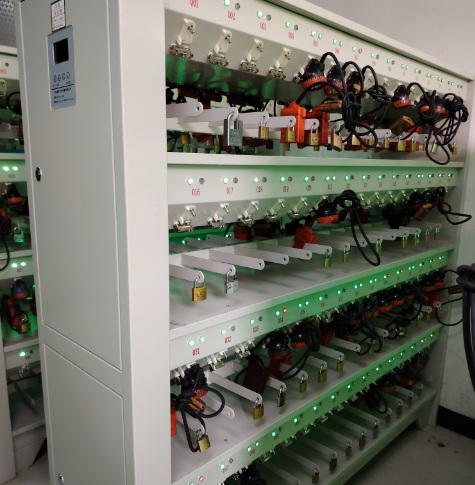
Traditional open-style cap lamp charging racks once dominated the mining sector thanks to low upfront cost and easy installation. Featuring a simple structure and low maintenance requirements, a fault at a single charging socket will not disrupt the whole unit, making them ideal for small-scale mines and temporary deployment during technical upgrading. Nevertheless, against today’s stringent safety supervision and intelligent development, their drawbacks have become prominent. Without fully enclosed protection, open racks expose charging terminals to underground dust and moisture, frequently triggering arc sparks during plug-in/out, circuit aging and overheating short circuits. When used with lithium-powered cap lamps, the lack of independent overcharge and overtemperature protection creates severe fire hazards. Besides, lamp distribution and recycling rely entirely on manual logging, requiring dedicated on-site staff while leading to misplaced, lost lamps and untraceable usage records. Such shortcomings make open racks incompatible with intelligent management of mine attendance, equipment traceability and data statistics, failing to meet standardized mine construction requirements.
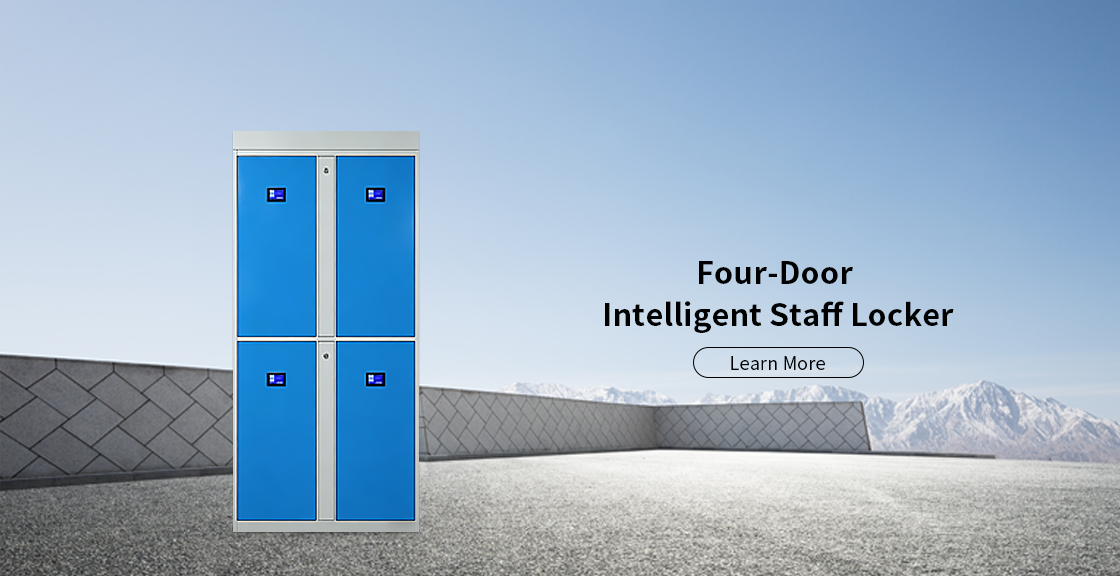
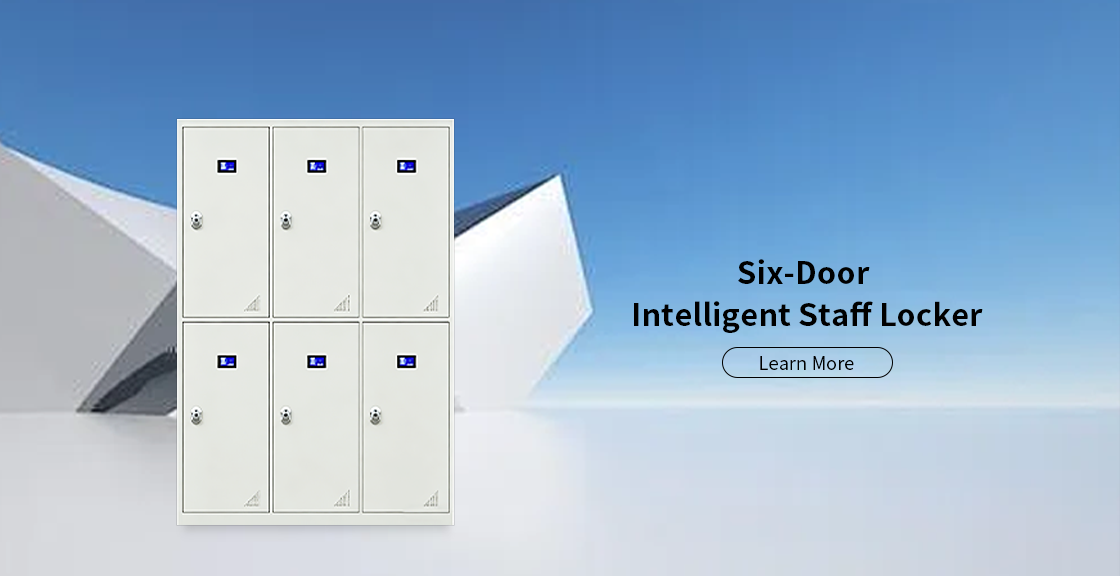
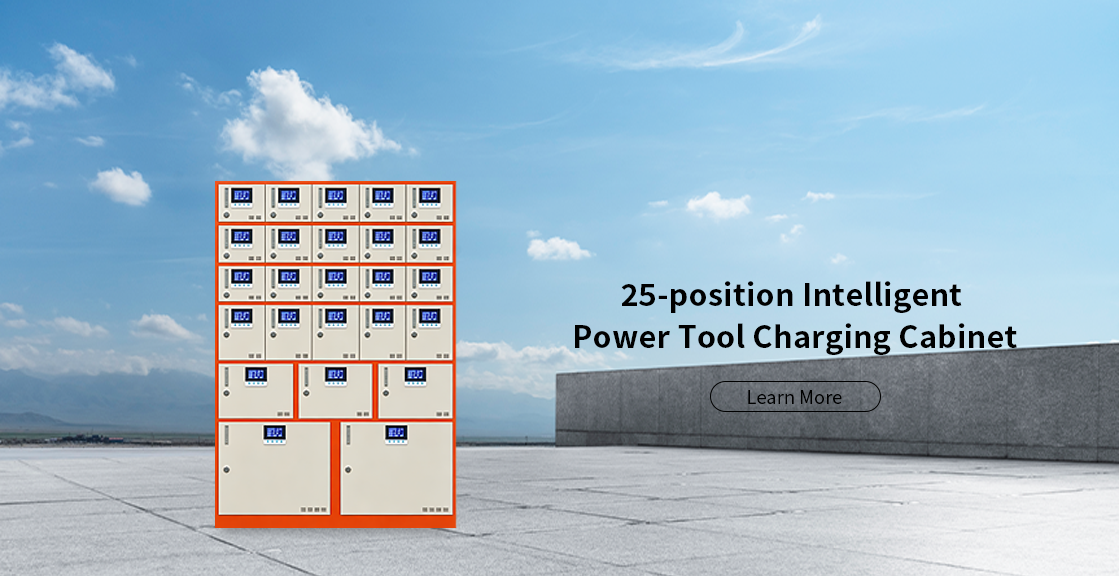
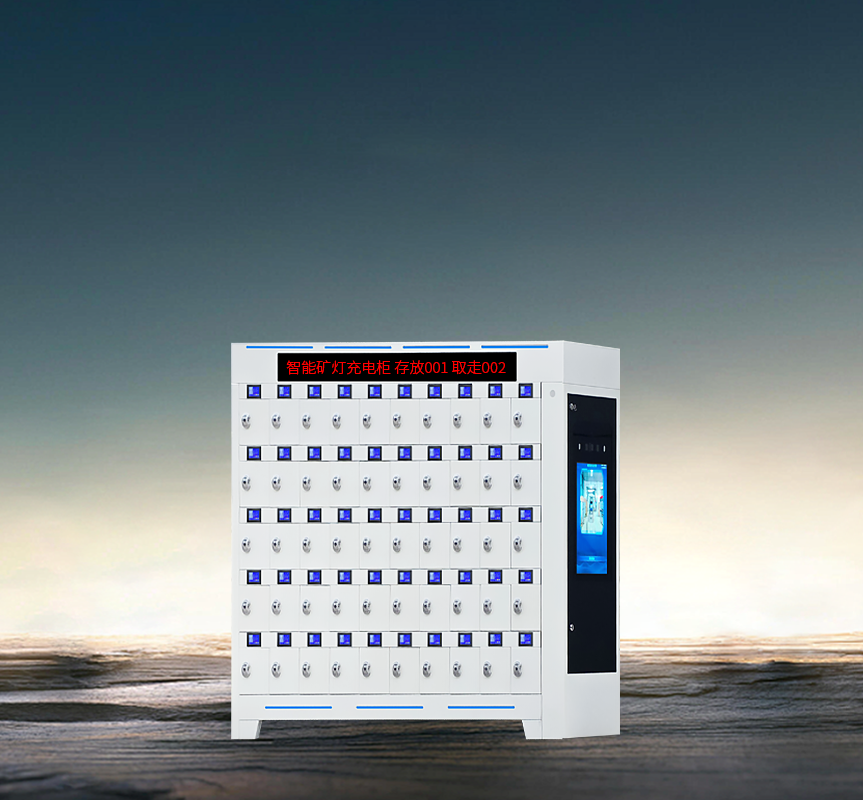
In contrast, intelligent cap lamp charging cabinets eliminate core safety and management pain points of traditional charging solutions and have become standard equipment for modernized mine upgrades. Built with fully enclosed flame-retardant cabinets, they block dust and moisture to eliminate inherent charging risks at source. Each compartment is fitted with an independent intelligent charging module with automatic power-off protection against overvoltage, overcurrent, overheating and short circuits, plus audible-visual alarm functions to secure lithium cap lamp charging in full compliance with the latest coal mine safety regulations.
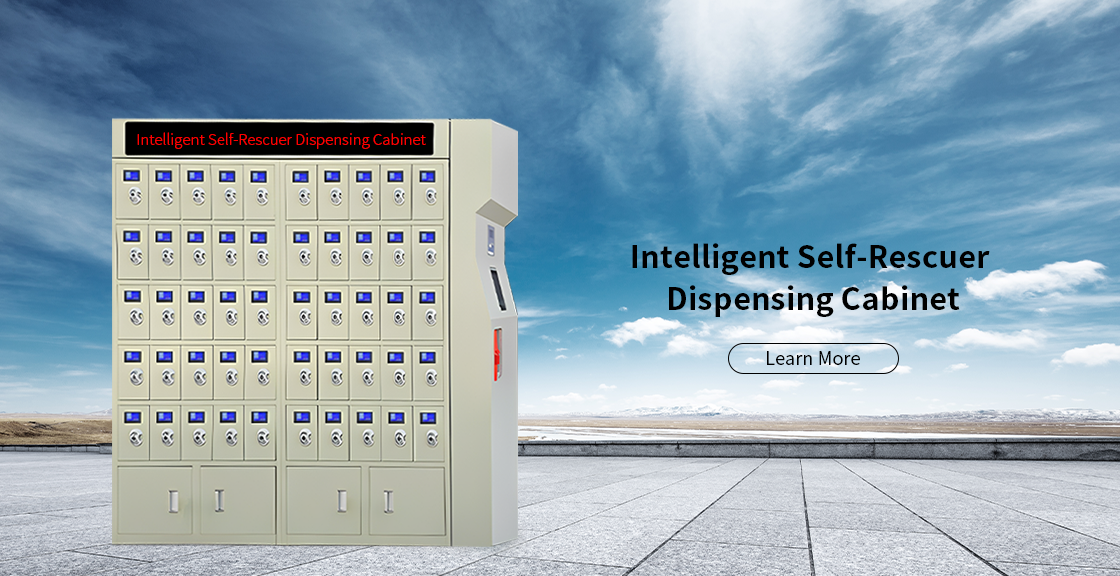
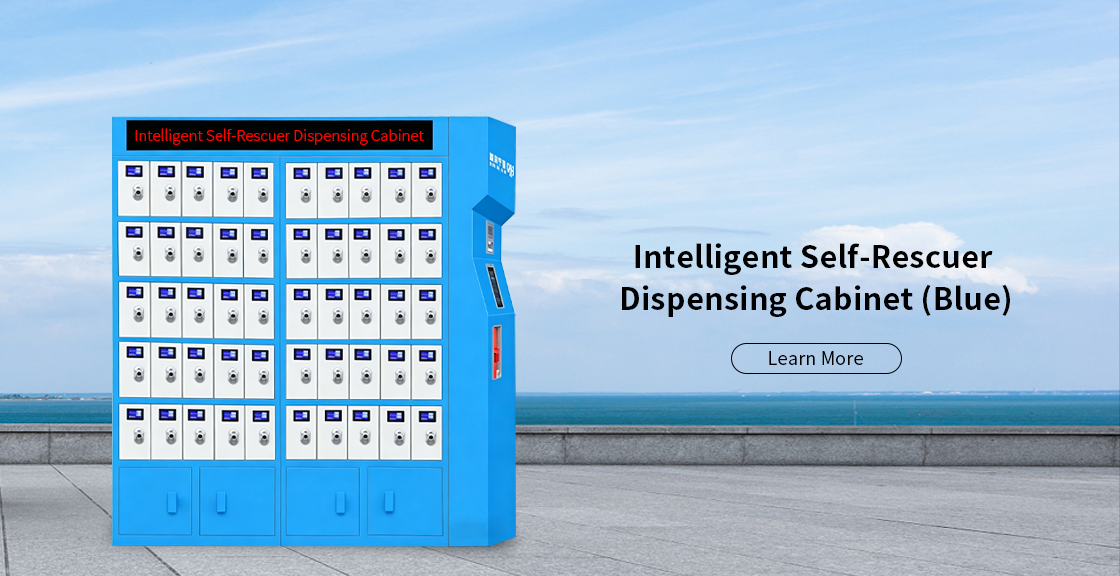
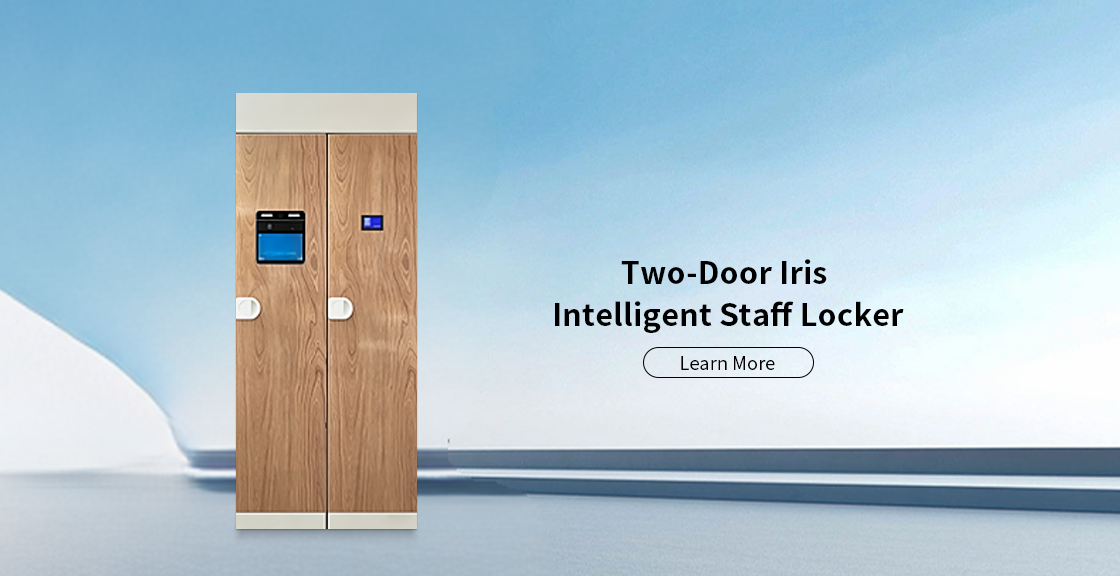
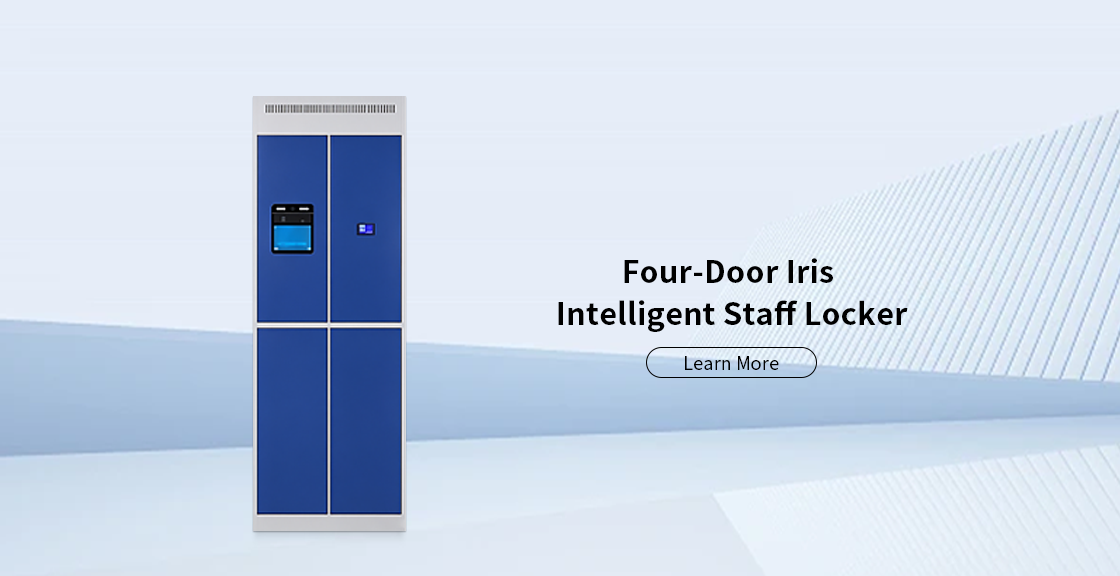
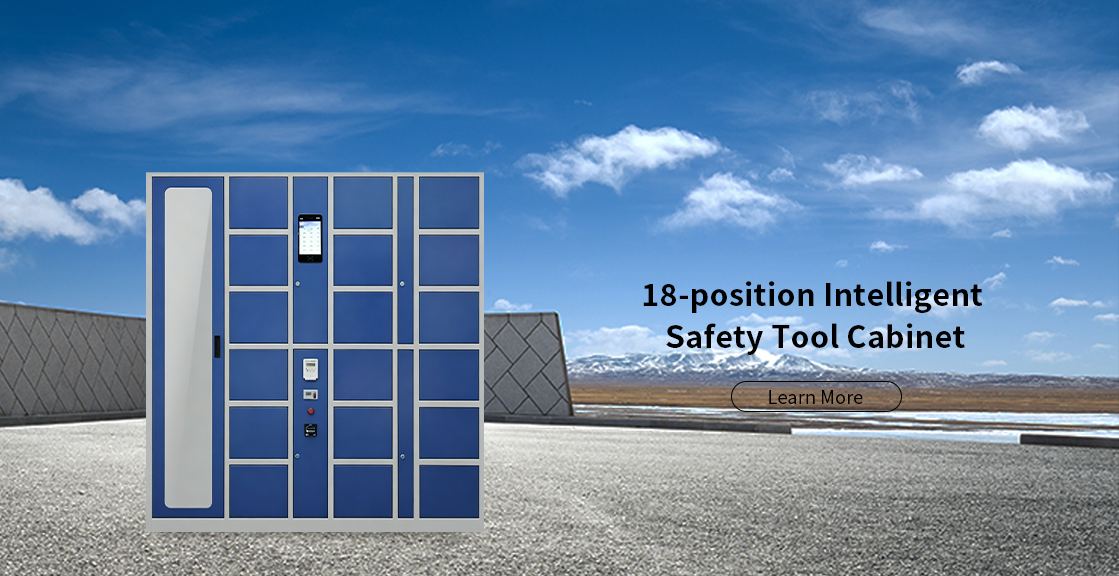
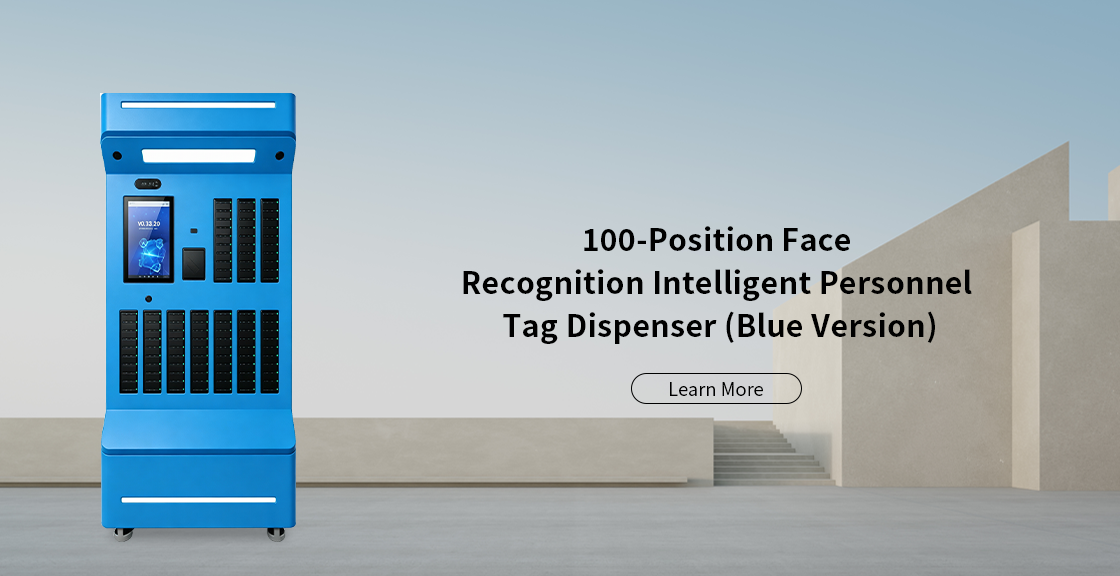
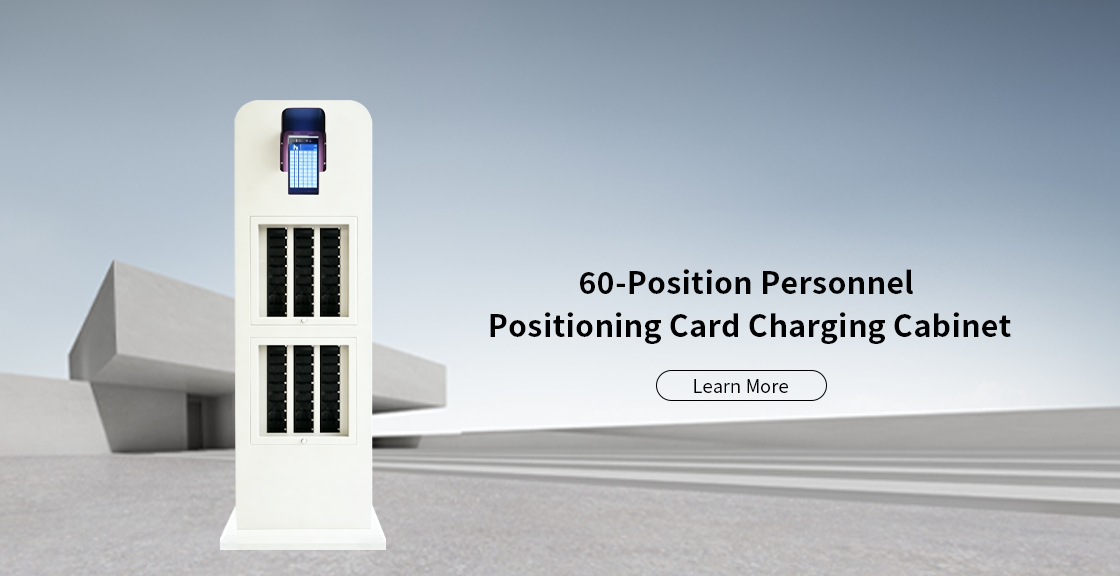
On management, intelligent cabinets completely replace traditional manual duty mode. Supported by card swiping, facial recognition or iris access control, they realize one lamp per miner per compartment and self-service lamp access, enabling unattended lamp rooms and drastically cutting labor expenses. The system automatically logs lamp borrowing and return data, interconnecting with mine attendance and underground personnel positioning systems to trace lamp usage and failure records, generate maintenance reports and screen out defective or scrapped lamps to prevent faulty equipment from going underground. Additionally, the cabinet can integrate storage spaces for self-rescuers, gas detectors and identification tags for multi-purpose application and optimized lamp room space utilization.
Many mine operators worry about higher initial investment for intelligent cabinets, but from a long-term O&M perspective, intelligent three-stage charging extends cap lamp service life and cuts equipment depreciation and full-time staff payroll; the extra investment can be recouped within 1 to 2 years, delivering far superior overall cost performance versus open racks.