

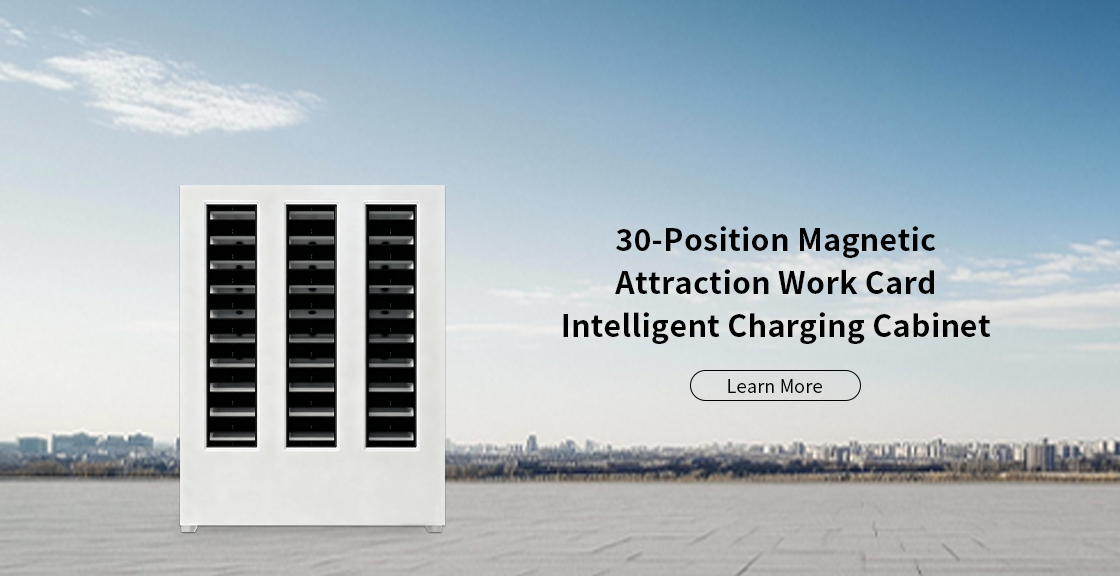
For overseas mining clients, safety, efficiency and cost control are the core demands of mining operations. As the "life light" for underground miners, the mining lamp charging system is a key link that cannot be ignored. However, many overseas clients often overlook the hidden problems of conventional mining lamp charging systems when purchasing and using them, which not only increases operational costs but also brings potential safety hazards. Today, we will sort out 5 hidden problems that overseas mining clients are most concerned about, helping you avoid risks and improve operational efficiency.
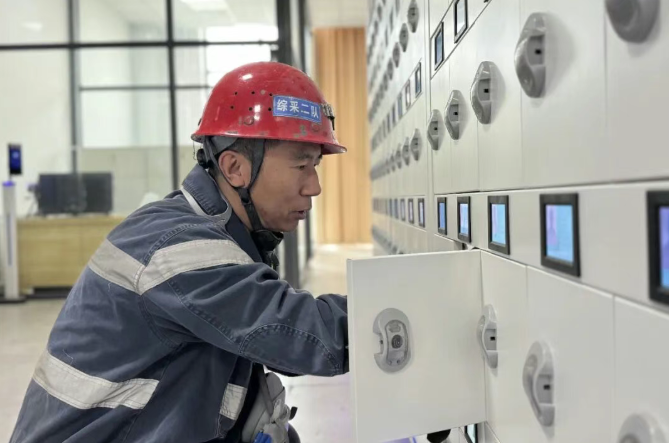
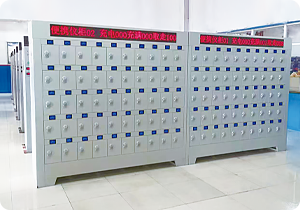
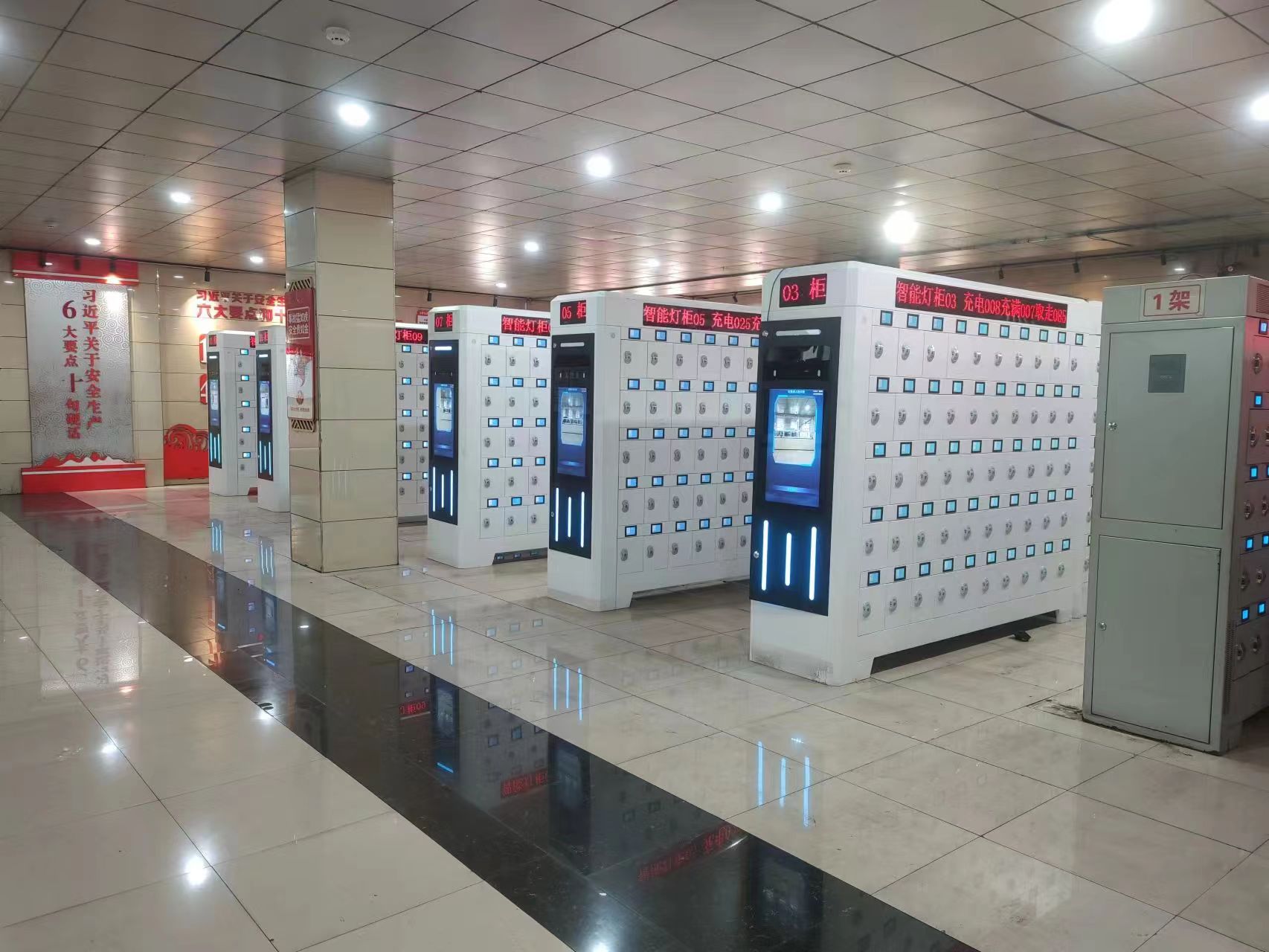
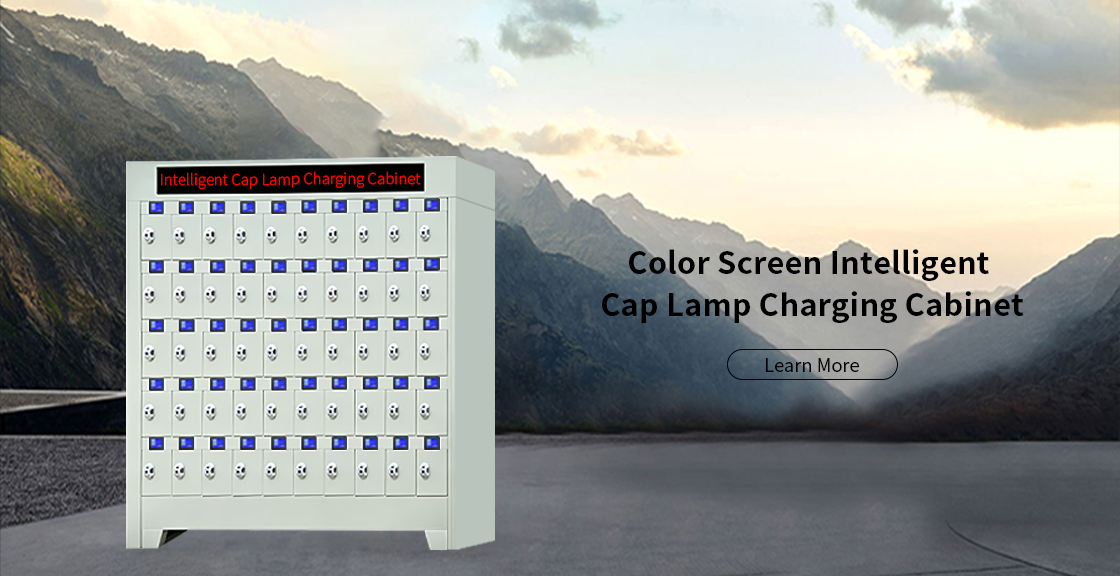
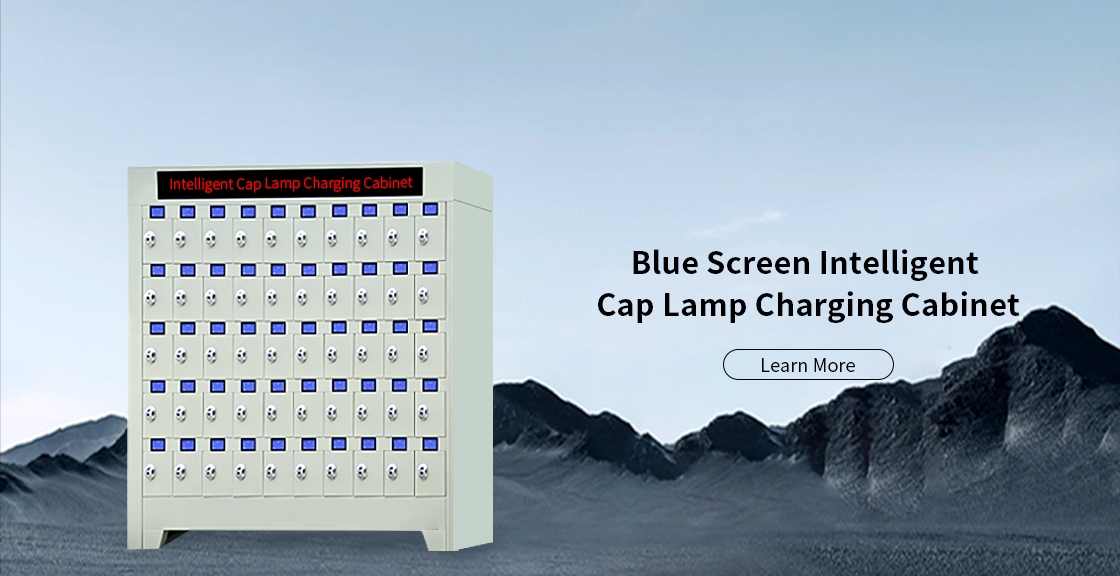
The first hidden problem that overseas clients care about most is the lack of efficient management. Conventional mining lamp charging cabinets have no reliable identification system, making it easy for miners to take the wrong lamp or lose it. For large-scale mining projects, the confusion of lamp ownership will lead to difficulty in tracking equipment failures, affecting the normal progress of underground operations. At the same time, manual registration of lamp collection and return is time-consuming and error-prone, which does not meet the efficient management needs of overseas mining enterprises.
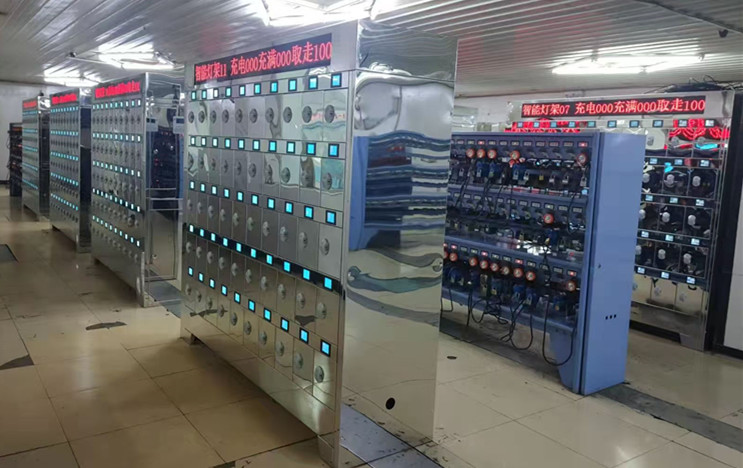
Safety hazards are the second key concern for overseas clients. Conventional charging systems adopt a fixed charging mode, which cannot intelligently adjust the charging current according to the battery status. Overcharging or undercharging for a long time will not only shorten the service life of the battery, increasing the cost of equipment replacement, but also may cause battery overheating, bulging, short circuit and even fire, which violates the safety standards of most overseas mining regions.
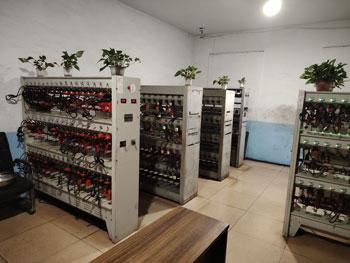
In addition, there are three hidden problems that are easily ignored by overseas clients. First, the charging efficiency is low, and the long charging time affects the working schedule of miners. Second, there is no real-time monitoring function, and it is impossible to find battery faults and line abnormalities in time, which may lead to sudden shutdown of equipment. Third, the maintenance cost is high. The complex structure of conventional charging cabinets leads to frequent wear and tear of parts, and the high cost of after-sales maintenance increases the operating burden of enterprises.